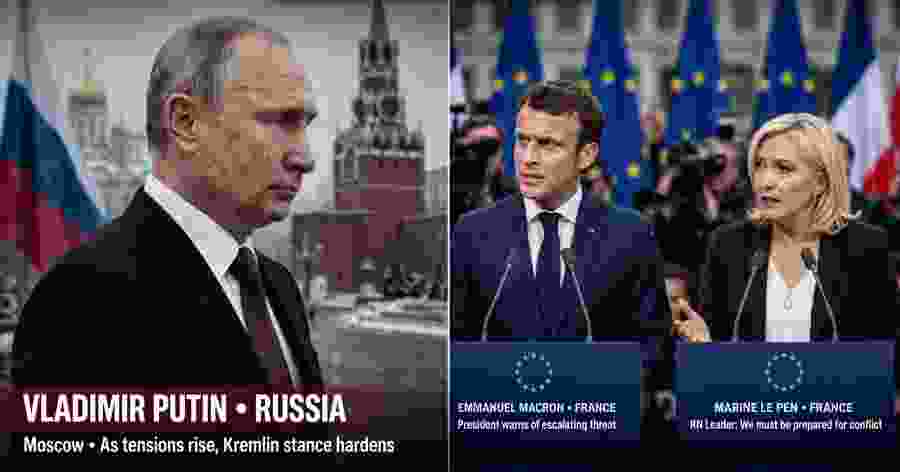




The recent Richard Woolcott Lecture 2026 delved into the US’s recurring geopolitical failures, coining the term “recidivism” to describe this troubling trend. Experts warn that the world must ask, “Quo Vadis?” or “Where are we headed?”
What Happened?
At the Asia Society’s Richard Woolcott Lecture, thought leaders gathered to discuss the US’s repeated missteps in global politics. This year’s theme, “The US-led Recidivism in Geopolitics – Quo Vadis?”, sparked intense debate about the implications for international relations.
Why Is Everyone Talking About This?
Geopolitical stability is at stake, and the US’s approach is under scrutiny. With rising tensions in Eastern Europe and Asia, analysts argue that America’s actions—or lack thereof—could lead to significant shifts in global power dynamics. The lecture highlighted that the consequences of these geopolitical blunders could resonate far beyond US borders.
What’s the Reaction?
Responses varied from concern to skepticism. Global leaders and policy analysts expressed alarm over the potential for increased conflict. Meanwhile, some American commentators defended the US approach, arguing that international relations are inherently complex and fraught with unpredictable outcomes. The lecture ignited conversations across social media and news platforms, drawing attention to an often-overlooked aspect of world affairs.
- The term “recidivism” refers to the tendency to repeat past mistakes in politics.
- Experts suggest that US foreign policy has failed to adapt to new global realities.
- The lecture emphasized the need for a reevaluation of America’s role on the world stage.
- Debates continue over how these missteps affect global alliances and conflicts.
What’s Next?
As the world watches closely, the question remains: how will the US recalibrate its foreign policy? Future lectures and discussions are anticipated to address the necessary reforms for sustainable geopolitical engagement. The implications of the Woolcott Lecture will likely reverberate across diplomatic circles, influencing strategies in the years to come.