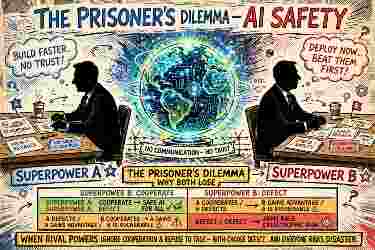




Global affairs are rapidly transforming, revealing deep-seated tensions among nations. As alliances shift and conflicts arise, understanding these emerging fault lines has never been more critical.
What Happened?
Recent geopolitical developments have spotlighted significant fractures in international relations. Major powers are realigning, with fresh tensions brewing in regions like Eastern Europe and the Indo-Pacific. As countries navigate a post-pandemic world, old alliances are being tested, and new ones are forming, making global stability a pressing concern.
Why Is Everyone Talking About This?
The shifting dynamics come at a time when global crises—ranging from health to climate change—demand unified responses. Countries are grappling with how to cooperate while safeguarding their interests, leading to a delicate dance of diplomacy. Public discourse is rife with speculation on how these emerging fault lines could trigger broader conflicts or reshape economic partnerships.
What’s the Reaction?
Reactions vary widely. Political analysts warn that unchecked tensions could spiral into conflict, while optimists believe that these challenges may lead to more robust international cooperation. Social media is buzzing, with hashtags like #GlobalFaultLines trending as citizens express their concerns and hopes for the future.
What’s Next?
Looking ahead, experts suggest that nations must prioritize dialogue and diplomacy. The upcoming international summits will be crucial in addressing these tensions. As the world watches, the next few months could define the future of global relations.
- Major geopolitical shifts are reshaping alliances.
- Emerging tensions in Eastern Europe and the Indo-Pacific are concerning.
- Public and expert reactions range from alarm to cautious optimism.
- Future international summits will be pivotal for conflict resolution.