


India’s diplomatic strategy in 2026 is centred on repairing strained relationships while maintaining strategic balance between competing global powers. The approach marks a significant shift from reactive diplomacy to proactive relationship management across multiple fronts.
In a year where global alliances are being tested like never before, India has emerged as a nation carefully threading the needle between repair and reinvention. The country’s foreign policy machinery is working overtime to mend fences without compromising on core strategic interests — a balancing act that has drawn attention from capitals across the world.
What Is India’s Diplomacy of Repair?
India’s diplomacy of repair refers to New Delhi’s concerted effort to address tensions and rebuild trust with nations where relationships had hit rough patches. India is simultaneously engaging with neighbours, Western allies, and regional partners through a calibrated mix of dialogue, economic incentives, and strategic reassurances. This reset isn’t about capitulation — India is negotiating from a position of growing economic and geopolitical strength.
Why Is This Approach Significant Right Now?
The global order in 2026 remains fractured, with US-China tensions showing no signs of easing and Russia’s isolation reshaping Eurasian dynamics. India’s balanced approach allows the country to maintain strategic autonomy while extracting maximum benefit from competing power blocs. For Indian citizens, this translates into better trade deals, improved energy security, and a stronger voice in international forums that directly impact everyday life.
What Are the Key Elements of India’s Strategy?
India’s diplomatic reset operates on multiple tracks simultaneously, combining traditional statecraft with economic diplomacy. The strategy acknowledges past friction points while focusing on future-oriented cooperation frameworks.
- India is prioritising neighbourhood-first diplomacy with renewed engagement across South Asia
- Strategic partnerships with Western nations are being recalibrated around technology and defence cooperation
- India maintains crucial energy and defence ties with Russia despite Western pressure
- Economic diplomacy forms the backbone of India’s outreach, with trade agreements taking centre stage
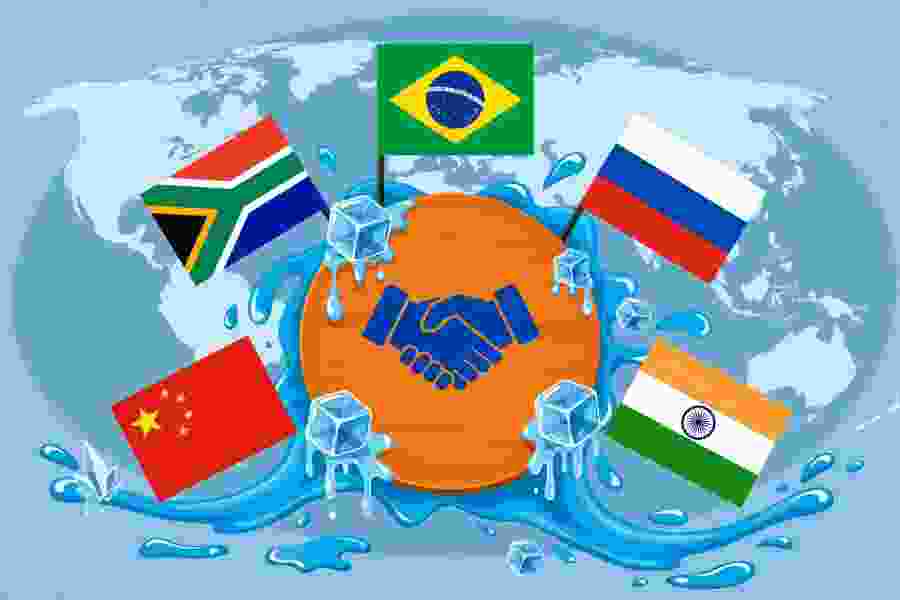
- Multilateral platforms like BRICS, G20, and the Quad remain key pillars of India’s global engagement
How Does This Affect India’s Position Globally?
India’s repair-and-balance approach has positioned the country as an indispensable interlocutor in global affairs. India is increasingly seen as a bridge-builder rather than a fence-sitter, with major powers actively courting New Delhi’s partnership. This enhanced standing gives India greater leverage in negotiations on everything from climate commitments to technology transfers.
What To Watch Next
India’s diplomatic manoeuvres will face their biggest test as 2026 progresses, with several high-stakes summits and bilateral visits on the calendar. Watch for India’s role in potential mediation efforts and how New Delhi navigates trade negotiations with both the US and China. The success of India’s reset diplomacy will ultimately be measured by tangible outcomes — better border stability, improved trade access, and a louder Indian voice on the global stage.