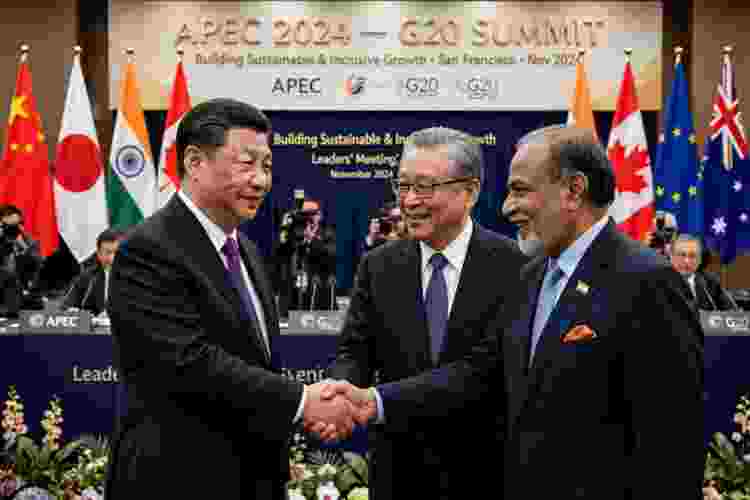




Korea is strategically leveraging science diplomacy to assert its influence in the age of technopolitics. This approach aims to foster international collaborations while addressing global challenges through technology.
What Happened?
Korea is transitioning its diplomatic strategies to emphasize science and technology. This shift comes as global tensions rise and nations increasingly turn to tech as a means of power. By focusing on scientific collaboration, Korea aims to enhance its global standing and initiate partnerships that address pressing issues like climate change and health crises.
Why Is Everyone Talking About This?
The conversation is heating up because technopolitics is reshaping international relations. Countries are no longer just competing for military might; they’re vying for technological supremacy. Korea’s proactive stance in science diplomacy signals its intent to lead in innovation while navigating complex geopolitical landscapes.
What’s the Reaction?
Global leaders are taking note. Some are applauding Korea’s initiative, viewing it as a necessary step toward collaborative problem-solving. Others, however, express skepticism, questioning whether science diplomacy can truly bridge deep-rooted political divides.
What’s Next?
As Korea continues to champion science diplomacy, expect a surge in global partnerships focusing on technology and innovation. This could reshape alliances and even lead to new frameworks for international cooperation.
- Korea is prioritizing science diplomacy amidst rising global tensions.
- The approach addresses challenges like climate change and global health.
- Korea aims to enhance its international influence through tech partnerships.
- Reactions are mixed, with some supporting and others skeptical of the initiative.