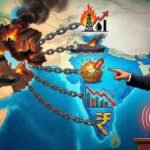




WASHINGTON/TEHRAN, April 2026 — After weeks of escalating rhetoric that threatened to push the world toward a massive, civilization-ending conflict, the United States and Iran have agreed to a temporary, two-week ceasefire. While the pause in hostilities offers a brief moment of relief for global markets, experts warn that the situation remains extremely delicate and could revert to all-out war at any moment.
The Breakthrough: A 15-Day Strategic Pause
The ceasefire, which is both conditional and reversible, serves as a “pause” rather than a final peace deal. Mediated by Pakistan, formal negotiations are scheduled to begin in Islamabad on April 10th.
Key Conditions of the Agreement:
- Maritime Access: Iran has agreed to reopen the Strait of Hormuz, allowing for the free passage of oil and energy supplies during the ceasefire period.
- Halt in Strikes: The U.S. has committed to halting major military strikes against Iranian targets and those of its regional proxies.
- Avoidance of Escalation: Both nations have pledged to refrain from provocative actions while negotiations are underway.
Iran’s 10-Point Proposal: Setting the Agenda
In a strategic move, Tehran has presented a 10-point peace plan that will form the basis of the Islamabad talks. This proposal includes:
- Regional De-escalation: Ending hostilities not just in Iran, but also in Iraq, Lebanon, and Yemen.
- Lifting of Sanctions: A demand for the full removal of economic sanctions and the release of frozen Iranian assets.
- War Compensation: Iran is seeking financial compensation for the reconstruction of infrastructure destroyed during recent U.S. and Israeli strikes.
- Nuclear Commitments: Iran has signaled a willingness to discuss protocols to ensure it does not seek nuclear weapons.
The Global Impact: Relief for Energy Markets
The announcement of the ceasefire had an immediate and dramatic impact on global energy prices. Crude oil, which had been surging toward $120 per barrel, plummeted below $95 almost instantly. Financial markets also saw a recovery, with the Indian Sensex rebounding by 3-4% after days of continuous decline as the threat of a wider global war receded.
Strategic Analysis: Why Now?
Observers note that both sides were facing unsustainable pressure. For the U.S., the risk of a “wider war” involving China or Russia posed a significant threat to domestic political standing ahead of elections. For Iran, the strategy of “survival as victory” allowed the regime to resist collapse despite massive strikes on its urban infrastructure.
Bottom Line
The immediate threat of total war has been replaced by a tense diplomatic standoff. While the reopening of the Strait of Hormuz provides global economic relief, the success of the Islamabad talks remains uncertain. With issues like troop withdrawals and long-term sanctions still unresolved, the “peace” of April 2026 hangs by a very thin thread.