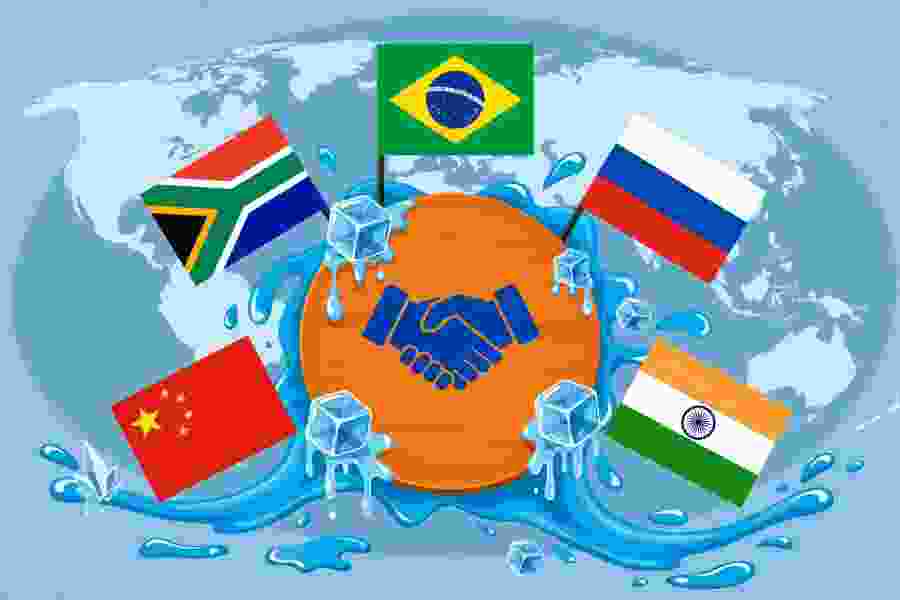



The world is racing to dismantle a monopoly in battery manufacturing, led by a few dominant players. Countries are vying to secure their own supply chains and reduce reliance on a single source.
What Happened?
Recent reports reveal a global push to diversify battery production, traditionally dominated by a handful of companies. As electric vehicles (EVs) and renewable energy storage technologies surge in popularity, nations are scrambling to establish their own manufacturing capabilities. The stakes are high, with energy security and economic independence on the line.
Why Is Everyone Talking About This?
Battery production is crucial for the future of transportation and energy. The current monopoly creates vulnerabilities, especially in the face of geopolitical tensions. Countries like the USA, China, and India are investing heavily to foster local manufacturing, aiming to keep up with the growing demand for greener technologies.
What’s the Reaction?
Industry experts are buzzing about the implications of this race. On one hand, the potential for innovation and job creation is thrilling. On the other, there’s concern about the environmental impact of ramping up production. The dialogue is intense, with governments and corporations weighing the balance between sustainability and economic growth.
What’s Next?
The next few years will be pivotal. Countries are forging alliances and investing in research to boost their battery tech. Expect more partnerships between governments and private sectors, aiming to develop sustainable practices while securing supply chains.
- Battery production is set to grow exponentially, driven by the EV market.
- China currently dominates the battery supply chain, but its monopoly is facing challenges.
- Countries are investing billions in local manufacturing to achieve energy independence.
- Environmental concerns are prompting discussions about sustainable production methods.