


India’s once-dominant position in global geopolitics is waning, raising questions about its strategic missteps. This decline stems from a mix of internal challenges and shifting global dynamics.
What Happened?
India has historically been a major player in international relations, leveraging its democratic values and growing economy. However, recent assessments indicate a troubling trend: the nation’s influence is shrinking. Key partnerships are faltering, and regional neighbors are increasingly looking elsewhere for alliances.
Why Is Everyone Talking About This?
As the global landscape evolves, India’s declining geopolitical status has caught the attention of analysts and policymakers alike. The rise of China, coupled with shifting US priorities, has left India scrambling to maintain its edge. Additionally, internal political strife and a focus on domestic issues have detracted from its international agenda.
What’s the Reaction?
Reactions are mixed. Some experts argue that India needs a strategic overhaul, while others believe it can rebound with stronger diplomatic efforts. The youth, particularly, are voicing concerns about the implications for jobs, education, and innovation in a world where India’s soft power is diminishing.
What’s Next?
Looking ahead, India faces critical choices. Strengthening ties with traditional allies like the US and forging new partnerships in the Indo-Pacific will be essential. Additionally, addressing internal challenges such as economic inequality and political polarization will be crucial for reclaiming its status on the world stage.
- India’s geopolitical influence is declining due to shifting global alliances.
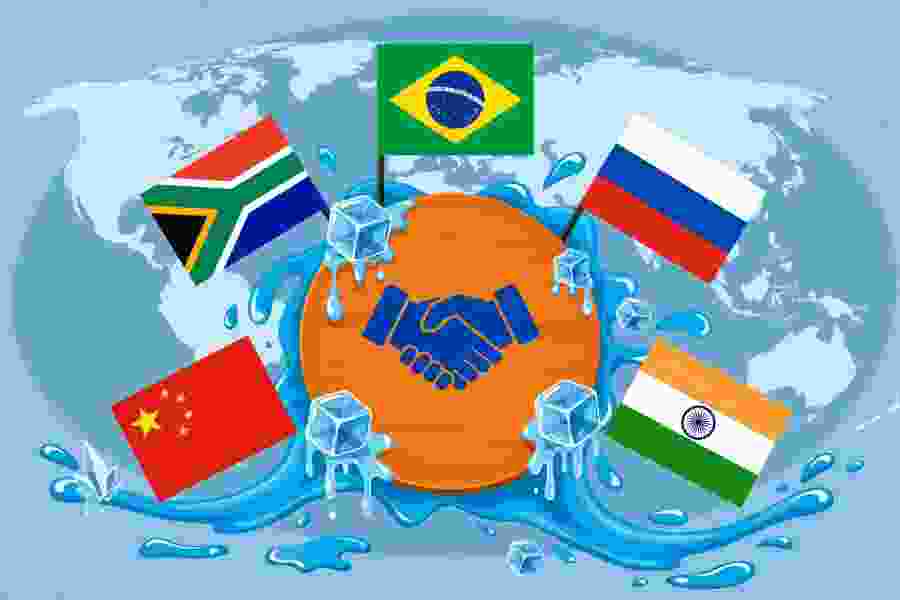
- China’s rise has reshaped regional power dynamics, challenging India’s dominance.
- Internal political issues are diverting attention from international relations.
- The youth are increasingly concerned about the impact on future opportunities.