



Great power diplomacy remains the cornerstone of international relations, with nations constantly balancing national interests against global cooperation. Understanding how major powers navigate this delicate dance is crucial for anyone following world affairs in 2025.
In an era of shifting alliances and emerging geopolitical tensions, the relationship between great powers, national interest, and diplomacy has never been more relevant for global observers, including those in India watching how these dynamics affect regional stability and international partnerships.
What Is Great Power Diplomacy?
Great power diplomacy refers to the strategic interactions between the world’s most influential nations — typically including the United States, China, Russia, and increasingly India. These nations wield significant economic, military, and political influence that shapes global outcomes. Great power diplomacy often determines everything from trade agreements to conflict resolution on the world stage.
Why Does National Interest Drive Foreign Policy?
National interest serves as the guiding principle behind every diplomatic decision a country makes. Nations prioritise their own security, economic prosperity, and strategic positioning when engaging with other powers. This pursuit of national interest explains why countries sometimes cooperate and other times compete fiercely on the global stage.
How Does This Affect India?
India’s position as a rising great power makes understanding these dynamics particularly important for Indian observers. India must balance relationships with multiple great powers while protecting its own national interests in South Asia and beyond. Indian diplomacy increasingly operates within this framework of great power politics, from QUAD partnerships to BRICS engagements.
- Great powers include nations with significant global economic, military, and political influence
- National interest remains the primary driver of all foreign policy decisions
- Diplomacy serves as the tool through which nations pursue their interests peacefully
- Smaller nations often navigate between competing great power interests
- India’s rising status places it firmly within great power conversations
What Are the Key Challenges Today?
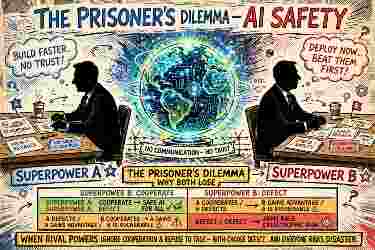
Modern diplomacy faces unprecedented challenges from climate change to cyber warfare to economic competition. Great powers must increasingly cooperate on transnational issues while still protecting their individual national interests. This tension between cooperation and competition defines contemporary international relations.
What To Watch Next
Observers should monitor how great power relationships evolve amid ongoing global challenges and regional conflicts. India’s diplomatic positioning between various power blocs will remain a key storyline in international affairs. The balance between national interest and multilateral cooperation will shape the global order for decades to come.