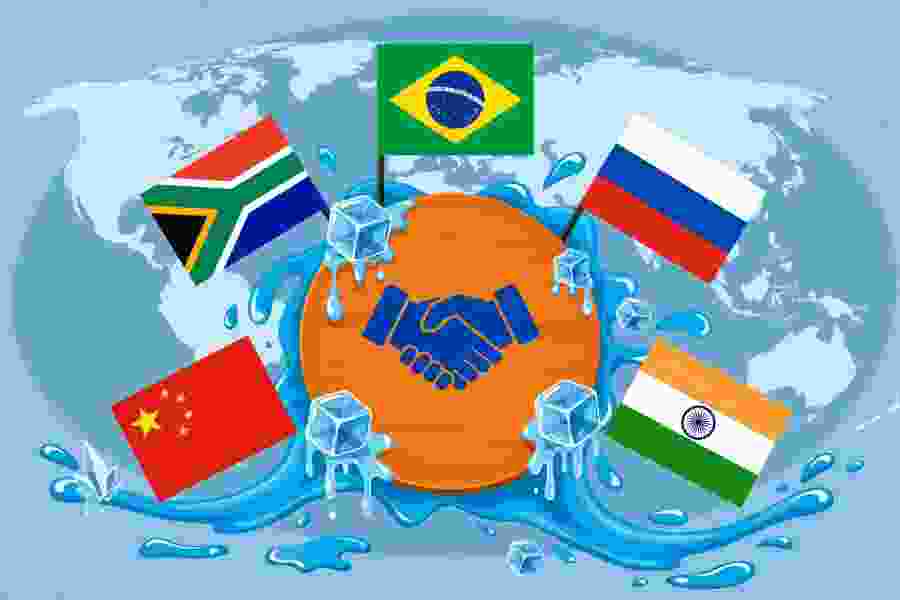


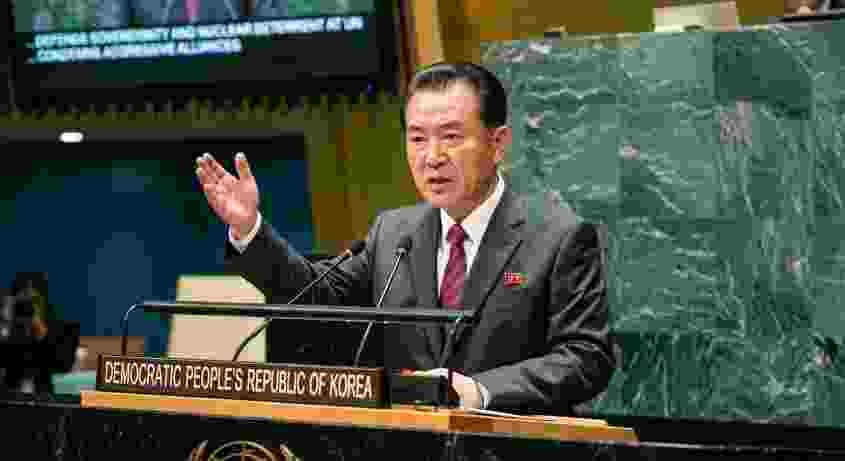

Asia is experiencing a major geopolitical shift, influenced by power plays among key nations. This change could reshape alliances and economic strategies across the continent.
What Happened?
The Carnegie Endowment for International Peace recently highlighted significant shifts in Asia’s geopolitical landscape. With rising tensions and strategic realignments, countries are rethinking their positions and alliances. The focus is on how these changes will impact regional stability and global power dynamics.
Why Is Everyone Talking About This?
As global powers like the US, China, and India jockey for influence, the stakes have never been higher. The region is witnessing a churn that could redefine trade routes, military alliances, and even cultural exchanges. Young urban Indians are keenly aware that their future is intertwined with these geopolitical developments.
- China’s assertive policies are shifting regional alliances.
- India is strengthening ties with Western nations while balancing its relationship with Russia.
- ASEAN countries are caught in the middle, navigating their own interests amid great power competition.
- Economic implications include changing trade patterns and new investment opportunities.
What’s the Reaction?
Analysts and policymakers are buzzing about the potential ramifications. Some view this as a threat to peace, while others see it as an opportunity for a more multipolar world. Social media is abuzz with discussions, memes, and debates reflecting the diverse opinions of young people.
What’s Next?
As this geopolitical churn unfolds, keep an eye on upcoming summits and dialogues. Expect more collaborations among nations looking to secure their interests. For young urban Indians, staying informed is crucial as these changes could impact everything from job markets to cultural exchanges.