



“The Sacred Blueprint: How the Vedas Shape Hindu Practices Across Time”
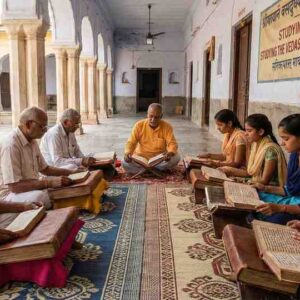
The Vedas, the most ancient and revered scriptures of Hinduism, form the foundational texts upon which countless rituals and customs are built. Composed between 1500 BCE and 500 BCE, these texts embody the spiritual, philosophical, and cultural essence of early Hindu thought. From the elaborate sacrificial rituals to the daily practices of worship, the influence of the Vedas is deeply woven into the fabric of Hindu life, transcending centuries to remain relevant in modern times.
The Vedas: A Foundation for Rituals
The four Vedas—Rigveda,Yajurveda,Samaveda, andAtharvaveda—each contribute unique elements to Hindu rituals and customs:
- Rigveda:
- The oldest of the Vedas, the Rigveda contains hymns dedicated to natural forces like Agni (fire), Indra (rain), and Surya (sun).
- These hymns form the basis of Vedic rituals, emphasizing offerings to deities to maintain cosmic order (rita).
- Yajurveda:
- A manual for conducting rituals, the Yajurveda details the procedures for performing yajnas (sacrifices) and other ceremonial rites.
- It codifies the intricate steps required for invoking divine blessings and sustaining balance in the universe.
- Samaveda:
- Known as the “Veda of melodies,” the Samaveda provides the musical chants used in rituals, emphasizing the vibrational power of sound in connecting with the divine.
- Atharvaveda:
- This Veda focuses on practical aspects of life, offering guidance on health, protection, and prosperity.
- Rituals for warding off negative forces and ensuring well-being are derived from its hymns.
Key Rituals Influenced by the Vedas
- Fire Sacrifices (Yajnas):
- Central to Vedic rituals, yajnas involve offerings into a sacred fire (Agni), symbolizing purification and transformation.
- These sacrifices, performed with precise mantras and procedures, aim to establish harmony between the individual, society, and cosmos.
- Marriage Ceremonies (Vivaha):
- The Vedic concept of samskaras (rites of passage) includes marriage rituals that involve invoking deities through Vedic chants to sanctify the union.
- The recitation of Rigvedic hymns during the saptapadi (seven steps) highlights the spiritual and cosmic dimensions of marital bonds.
- Daily Worship (Nitya Karma):
- Practices like the Sandhyavandanam (daily prayers) and offerings to the sun (Surya Namaskar) are rooted in Vedic instructions for maintaining spiritual discipline.
- Festivals and Seasonal Rites:
- Many Hindu festivals, such as Makar Sankranti and Diwali, trace their origins to Vedic customs that celebrate cosmic events like solstices, harvests, and lunar cycles.
Philosophical Underpinnings of Rituals
- Cosmic Order (Rita):
- Vedic rituals are designed to align human actions with rita, the cosmic law that governs harmony in the universe.
- Every chant and offering is believed to reinforce this order, ensuring prosperity and spiritual growth.
- Sacrifice and Reciprocity:
- The concept of yajna symbolizes selflessness and mutual giving, reflecting the interconnectedness of all existence.
- Vibration and Sound:
- The emphasis on precise pronunciation of Vedic mantras highlights the belief in the vibrational power of sound to create spiritual and material effects.
Modern Relevance of Vedic Rituals and Customs
While the complexity of Vedic rituals has evolved over time, their core principles remain deeply influential in contemporary Hindu practices:
- Simplified Rituals:
- Modern Hindu worship has adapted Vedic rituals, focusing on accessible practices like temple worship and simplified ceremonies while retaining the essence of the original rites.
- Global Appeal:
- Practices derived from the Vedas, such as yoga and meditation, have gained global recognition, promoting physical and spiritual well-being.
- Cultural Preservation:
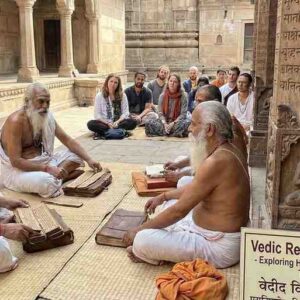
- Efforts by institutions like the National Manuscripts Mission and UNESCO to preserve Vedic chanting underscore the enduring importance of these rituals in global cultural heritage.
Conclusion
The Vedas, as the sacred blueprint of Hindu philosophy, continue to shape rituals and customs that define the spiritual and cultural identity of Hindus worldwide. These ancient texts, with their emphasis on harmony, reciprocity, and cosmic order, offer timeless insights into the human connection with the divine. By preserving and adapting Vedic traditions, modern society can honor this legacy, ensuring its relevance for future generations while remaining rooted in the wisdom of the past.