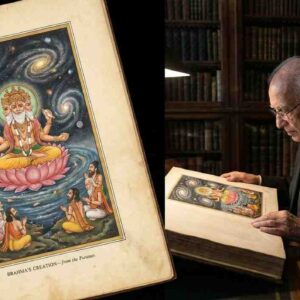




The Vedic Age, spanning roughly between 1500 BCE and 500 BCE, stands as a foundational era in the evolution of Hindu culture. This period, marked by the composition of the four Vedas—Rigveda,Yajurveda,Samaveda, andAtharvaveda—shaped not only the spiritual and philosophical underpinnings of Hinduism but also its societal, cultural, and ethical frameworks.
Spiritual Foundations
The Vedic Age laid the groundwork for Hindu spirituality through its hymns, rituals, and philosophical inquiries. Central concepts such asBrahman(universal consciousness),Atman(individual soul),Dharma(righteous duty), andKarma(action and consequence) emerged during this time. TheUpanishads, often referred to as the “end of the Vedas,” delved into these principles, forming the philosophical backbone of Hinduism and influencing subsequent schools of thought like Vedanta and Yoga.
Rituals and Practices
Vedic rituals, especially the performance ofyajnas(sacrificial ceremonies), emphasized harmony with cosmic forces (rita). These practices evolved into the puja rituals and temple worship seen in Hinduism today. The focus on precise recitation of mantras, as outlined in theSamaveda, highlights the importance of sound and vibration in connecting with the divine, a tradition that persists in chanting and devotional music.
Societal Organization
The Vedic Age also introduced thevarna system, dividing society into four classes—Brahmins (priests), Kshatriyas (warriors), Vaishyas (merchants), and Shudras (laborers). While this system aimed to maintain societal harmony, its later rigidification into caste hierarchies remains a contentious legacy.
Cultural Impact
The reverence for natural elements such as fire (Agni), water (Varuna), and the sun (Surya) fostered an eco-centric worldview, influencing Hindu festivals and rituals centered around seasonal changes. This connection between humans and nature remains a defining feature of Hindu culture.
Conclusion
The Vedic Age was not merely a historical epoch but a transformative era that shaped the ethos of Hindu culture. Its spiritual teachings, societal structures, and reverence for nature continue to resonate, offering timeless guidance for navigating the complexities of life. Understanding this period is crucial for appreciating the depth and diversity of Hindu traditions in both historical and contemporary contexts.