
A Creative Manifestation of Timeless Wisdom
Art and culture have always been integral to the expression of Hindu philosophy, serving as powerful mediums to convey its profound ideas, values, and traditions. Through temples, sculptures, dance, music, and literature, the principles ofdharma(righteousness),karma(action and consequence), andmoksha(liberation) are vividly brought to life, resonating with both the learned and the layperson.
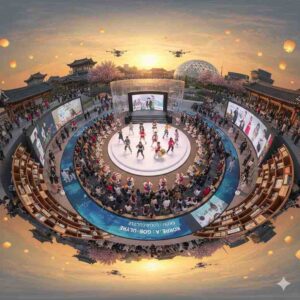
In a world where visual and performative arts transcend language and cultural barriers, Hinduism’s artistic heritage continues to inspire, educate, and connect, ensuring that its timeless wisdom remains relevant across generations.
1. Temples as Living Art
- Architectural Wonders: Hindu temples are not merely places of worship but embodiments of spiritual philosophy. Structures like the Brihadeeswara Temple in Tamil Nadu and the Sun Temple at Konark symbolize cosmic order and divine energy through their intricate designs.
- Sacred Geometry: The use of Vastu Shastra (architectural principles) ensures that temples align with natural elements, reflecting the harmony between humanity and the universe.
- Contemporary Context: Temples remain cultural hubs, with initiatives like the restoration of Hampi (a UNESCO World Heritage site) drawing global attention to India’s rich heritage.
2. Sculptures and Iconography
- Deities in Art: Hindu philosophy is expressed through the detailed iconography of deities, each embodying specific attributes and cosmic functions.
- Nataraja: Shiva as the cosmic dancer symbolizes creation, preservation, and destruction.
- Durga: Represents the triumph of good over evil, embodying strength and compassion.
- Symbolism and Meaning: These sculptures are designed to inspire devotion and introspection, inviting viewers to contemplate deeper philosophical truths.
- Preservation Efforts: Programs like the Indian Heritage Digital Preservation Project are digitizing and preserving ancient sculptures for future generations.
3. Dance as a Spiritual Journey
- Classical Dance Forms: Bharatanatyam, Kathak, Odissi, and other classical dances are rooted in the Natya Shastra, an ancient treatise on performing arts. These dances use gestures (mudras), expressions, and rhythmic movements to narrate stories from Hindu epics like the Ramayana and Mahabharata.
- Devotional Performances: Many dances are performed as offerings to deities, blending art with devotion. The concept of bhakti rasa (emotion of devotion) is central to these performances.
- Global Influence: Classical dance festivals, such as the Natya Kala Conference, showcase Hindu philosophy on an international stage, promoting cultural exchange and understanding.
4. Music as a Path to the Divine
- Sacred Sounds: Hindu philosophy considers music as a way to connect with the divine. The concept of nada(cosmic sound) is central to Indian classical music.
- Bhajans and Kirtans: Devotional songs like bhajans and kirtans create a communal spiritual experience, often invoking divine energy through repetitive chanting.
- Instrumental Legacy: Instruments like the veena, tabla, and bansuri (flute) are deeply intertwined with Hindu mythology and philosophy.
- Modern Evolution: Contemporary artists are blending traditional Hindu music with global genres, making it accessible to younger audiences. For example, fusion bands like Shakti have brought Indian classical music to global stages.
5. Literature and Storytelling
- Epics and Puranas: The Ramayana and Mahabharata are epic narratives that weave together the philosophical principles of dharma, karma, and moksha. The Puranas use allegorical stories to convey complex ideas in accessible forms.
- Influence on Modern Literature: Writers like R.K. Narayan and Amish Tripathi have reinterpreted Hindu myths and epics, introducing these stories to contemporary readers in innovative ways.
- Current Trends: In 2025, the International Hindu Literary Festival will focus on reviving interest in ancient Hindu texts through creative adaptations and translations.
6. Visual Arts: Paintings and Mandalas
- Symbolism in Art: Hindu paintings, such as Pattachitra and Madhubani, often depict scenes from mythology, highlighting themes of devotion and cosmic balance.
- Mandalas and Sacred Geometry: Mandalas, intricate geometric patterns, symbolize the universe and are used as meditative tools in Hindu and Buddhist practices.
- Global Recognition: Hindu art forms like Rangoli and Warli painting are celebrated internationally, fostering greater appreciation of their philosophical underpinnings.
7. Festivals: A Fusion of Art and Philosophy
- Visual and Performative Celebrations: Festivals like Diwali, Navratri, and Holi combine visual arts, music, and dance to celebrate philosophical themes such as light over darkness and renewal.
- Community Engagement: These festivals bring people together, ensuring that Hindu philosophy remains a living tradition passed down through communal experiences.
8. Challenges and Revival Efforts
- Preservation vs. Commercialization: The increasing commercialization of Hindu art and culture risks overshadowing their spiritual essence.
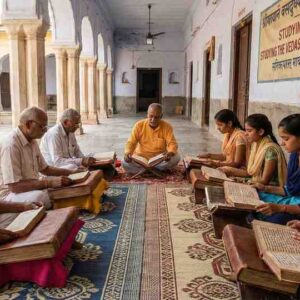
- Cultural Preservation Initiatives: Efforts like the National Mission for Manuscripts and the promotion of regional art forms ensure that these traditions are preserved authentically while adapting to modern contexts.
Conclusion: Art as a Bridge to the Divine
Hindu philosophy finds its most vivid expression through art and culture, translating complex metaphysical ideas into accessible, sensory experiences. Whether through the rhythmic movements of Bharatanatyam, the intricate designs of temple carvings, or the resonant sounds of a bhajan, these creative forms connect the individual to the universal.
In an age where cultures are increasingly interconnected, Hindu art and culture continue to inspire, educate, and unify, ensuring that the timeless wisdom of Hindu philosophy remains a guiding force for generations to come. Through the preservation and evolution of these artistic expressions, humanity can rediscover its shared spiritual heritage and move toward a more harmonious future.