


Mumbai – 2025
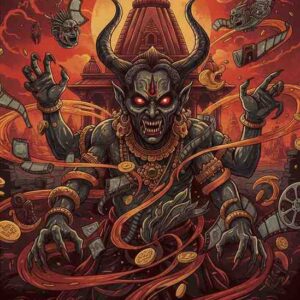
Indian cinema has long preferred its moral universe in black and white. Heroes stood for righteousness, villains for corruption, and redemption was the reward for a clean arc. But that binary is eroding fast. In today’s films and web series,the most compelling characters are no longer ‘good’—they’re grey.
From gangsters with fragile egos to emotionally fractured cops, audiences—especially Gen Z—are embracingflawed protagonists who defy traditional moral boxes. This isn’t a shift in fashion; it’s a generational statement.
Who Is the Anti-Hero?
An anti-hero isn’t the villain. But they aren’t the classic ideal either.
They are often:
- Deeply flawed but relatable
- Immoral in action but emotionally justified
- Selfish, impulsive, inconsistent—but never boring
Think:
- Sartaj Singh in Sacred Games
- Gaitonde, too—though his arc flirts with full villainy
- Sheel (Shefali Shah) in Jalsa, navigating maternal ethics with ambiguity
- Kaithi’s Dilli, a criminal on a redemptive path but not seeking forgiveness
- Alia Bhatt’s character in Gangubai Kathiawadi: empowered, exploitative, beloved
The new Indian viewer is not asking, “Is this person good?”
They’re asking,“Is this person real?”
Why Gen Z Relates to Grey
1. Raised in Ambiguity
Gen Z has grown up in a world of contradictions:
- Politicians who lie openly
- Influencers who curate reality
- Institutions that fail publicly
- A digital world where everything is public but nothing feels authentic
Black-and-white storytelling feels dishonest. Grey feels familiar.
2. They’re Done with Idealism
Earlier generations wanted cinema to inspire. Today’s youth want it toreflect.
They don’t want lectures—they want complexity.Messy characters validate their own inner conflicts.
3. Morality has gone personal
Gen Z sees ethics as contextual, not universal. For them, what matters is:
- Emotional logic
- Mental health
- Backstory
- Survival instinct
This has shifted how we interpret “goodness” in characters.
Changing Writing Styles
Writers today are:
- Dropping exposition in favour of behavioural contradictions
- Using backstory as explanation, not justification
- Letting characters face consequences without enforcing neat redemption
- Writing arcs that end unresolved—not because they lack closure, but because life rarely offers it
Impact on Casting and Genre
- Actors like Jaideep Ahlawat, Shefali Shah, Radhika Apte, and Vijay Varma have built careers on layered roles that defy clean morality
- Shows like Delhi Crime, Kohrra, and Paatal Lok are genre-defying—equal parts crime, drama, and character study
- Writers are no longer asking, “Will the audience root for this person?”
They’re asking, “Will the audience stay with this person—even when they’re wrong?”
What This Means for Indian Storytelling
This isn’t a trend. It’sa recalibration of empathy.
Anti-heroes allow:
- Emotional exploration without social policing
- Character-driven conflict instead of event-driven plot
- Stories that don’t reward virtue but reveal truth
Final Word
The anti-hero doesn’t rescue the world.
But they expose it.
And in doing so, they mirror a generation raised on grey areas—who are no longer looking for saints, but forsomeone who dares to show their scars.
Because sometimes,being wrong is the most honest thing a character can be.