
Is Hindu Philosophy Becoming a Lost Art in the Pursuit of Modern Success?
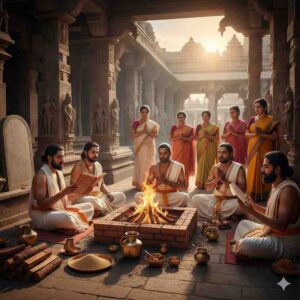
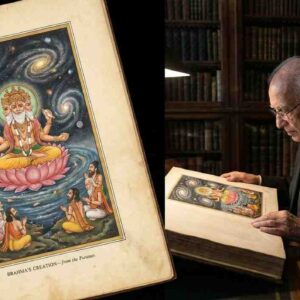
Hindu teachings, rich with profound insights into self-discovery and human potential, have guided seekers for millennia. Rooted in ancient texts like the Upanishads, Bhagavad Gita, and Vedas, these teachings emphasize the exploration of the self (atman) and its unity with the universal consciousness (Brahman). However, in today’s era of relentless ambition and consumerism, the question arises: are we neglecting the timeless wisdom that could guide us to inner peace and fulfillment?
The Essence of Self-Discovery in Hindu Philosophy
Hindu philosophy presents self-discovery as the ultimate purpose of life. The Upanishads delve deeply into questions like “Who am I?” and “What is my purpose?” through concepts likeTat Tvam Asi(You are That) andAham Brahmasmi(I am Brahman). These teachings invite individuals to look beyond material possessions and societal roles, urging them to seek their true nature.
The Bhagavad Gita, perhaps the most comprehensive guide to self-discovery, highlightsNishkama Karma(selfless action) andSankhya Yoga(the path of knowledge) as means to transcend ego and realize one’s connection to the divine. Krishna’s counsel to Arjuna underscores that self-realization is not an escape from the world but an active engagement with life’s duties, performed with detachment and purpose.
Modern India: A Disconnect with Ancient Wisdom?
In contemporary India, the principles of self-discovery seem increasingly overshadowed by the pursuit of material success. A 2023 report by the Indian Ministry of Education found that78% of students prioritize career and financial goals over personal growth or spiritual well-being.This trend reflects a societal shift, where traditional values of introspection and self-awareness are often relegated to the background.
Additionally, the rise of digital distractions and fast-paced urban lifestyles has left little room for practices like meditation, self-reflection, and philosophical inquiry, which are central to Hindu teachings.
Government and Community Efforts to Revive Self-Discovery Practices
Recognizing this gap, the Indian government has initiated programs to reintroduce spiritual teachings into modern life. The“Yoga for Self-Realization” campaign, launched in 2022 by the Ministry of AYUSH, aims to integrate yoga and meditation into school curricula, promoting physical and mental well-being alongside academic excellence.
Non-profit organizations, inspired by the ancientGurukulsystem, are also playing a role in reviving traditional education. These initiatives emphasize moral and philosophical teachings, providing a balanced approach to personal growth.
Challenges and Controversies
While these efforts are commendable, critics argue that institutionalizing spirituality risks reducing it to a mechanical exercise, devoid of personal exploration. Others contend that the commercialization of self-discovery tools—such as mindfulness apps and yoga retreats—dilutes the essence of Hindu teachings, turning them into consumer products rather than transformative practices.
Conclusion
The journey of self-discovery, as envisioned in Hindu philosophy, remains as relevant today as it was thousands of years ago. It offers a timeless antidote to the stress and fragmentation of modern life, guiding individuals toward balance, purpose, and inner peace. As India navigates the complexities of the 21st century, rediscovering and embracing these teachings may hold the key to a more harmonious and fulfilling future—both for individuals and society at large.