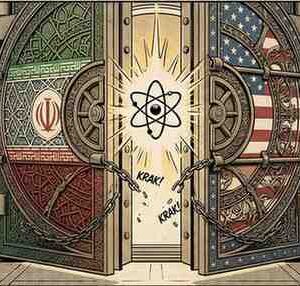

TEHRAN / NEW DELHI, March 2, 2026 — The Middle East conflict has reached a critical flashpoint as Iran moved to block the Strait of Hormuz, a move that experts warn could trigger the most significant disruption to global crude oil and natural gas markets in years. With nearly 20% of the world’s liquid natural gas (LNG) and crude oil passing through this narrow waterway, the blockade has sent immediate shockwaves through Asian economies, particularly India.
The Chokehold on Global Energy
The Strait of Hormuz is the primary artery for energy exports from the Persian Gulf, connecting major producers like Kuwait, Qatar, and the UAE to the global market. Iran’s decision to obstruct this passage is seen as a direct retaliation against U.S. and Israeli pressure for “regime change” in Tehran.
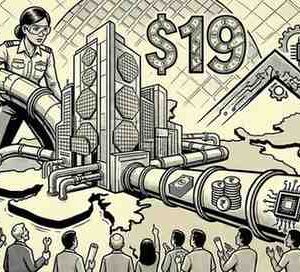
The impact on oil prices has been instantaneous. Brent crude, which was trading below $70 per barrel, has already surged past $73, with some analysts forecasting a spike to over **$100 per barrel** if the blockade persists. For India, which imports 90% of its crude oil, such a price hike threatens to widen the trade deficit and fuel domestic inflation.
The Gas Crisis: Asia’s Growing Vulnerability
While oil is a major concern, experts suggest that the natural gas market faces an even more severe threat. Qatar, the world’s leading LNG supplier, relies entirely on the Strait of Hormuz to reach its buyers. Unlike the 2022 energy crisis, which primarily affected Europe due to the Russia-Ukraine war, this disruption hits Asian nations hardest.
China and India are the top importers of Qatari LNG, using it for power generation and industrial needs. Multiple LNG tankers linked to Qatar have already halted their journeys, leading to a surge in freight and insurance costs. With summer approaching and electricity demand rising, any delay in LNG cargoes could force government interventions to manage potential energy shortages.
India’s Defensive Strategy
Despite the looming crisis, the Indian government remains cautiously confident. Over the last few years, India has aggressively diversified its energy sources, increasing imports from Russia, the U.S., and West Africa. Additionally, India maintains a strategic petroleum reserve sufficient for about 10 days of emergency use.
However, logistical challenges remain. While oil from the Gulf reaches India in 5–7 days, sourcing from alternative regions like Latin America or West Africa can take between 25 and 45 days, significantly straining the supply chain.
Bottom Line
The era of stable energy through the Strait of Hormuz has been replaced by a “risk premium” economy. As Iran uses its geographic advantage to challenge global powers, energy has become the first casualty of war. For India and its neighbors, the “masks are off”: energy security is no longer just an economic metric—it is a national security imperative.