


China’s expanding influence in the Pacific is raising alarms about regional unity, according to a Taiwanese official. This campaign is not just political; it’s a strategic play that could reshape alliances in the region.
What Happened?
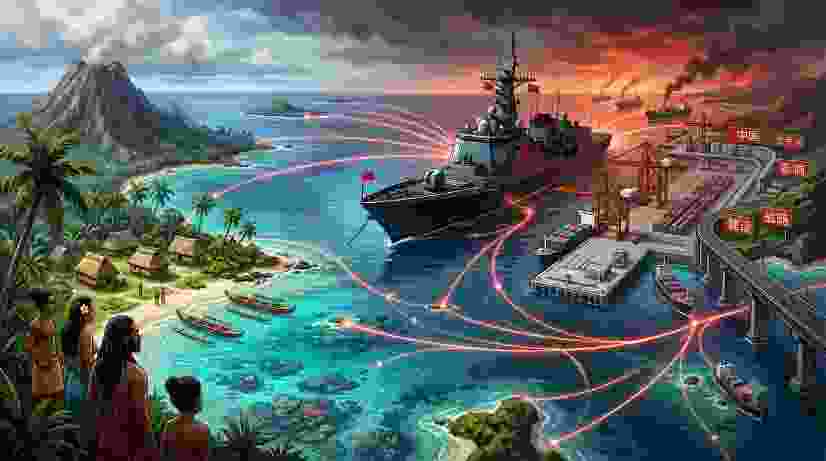
In a recent statement, a Taiwanese official highlighted concerns over China’s influence campaign in the Pacific. This move is seen as an attempt to destabilize regional unity and create dependence on Beijing. Countries in the Pacific are increasingly finding themselves at a crossroads, balancing their relationships with China and traditional allies.
Why Is Everyone Talking About This?
The Pacific region is crucial for global trade and security. China’s aggressive push into these waters is perceived as a strategy to expand its geopolitical reach. This situation has implications for not just Taiwan, but also Australia, New Zealand, and the US, making it a hot topic in international relations.
What’s the Reaction?
Responses vary across the Pacific. Some nations are wary of China’s intentions and are strengthening ties with the US and other allies. Others, however, see economic opportunities in engaging with China, leading to a complex and fragmented regional dialogue.
- China’s influence campaign includes economic investments and diplomatic outreach.
- The campaign is seen as a direct challenge to US interests in the region.
- Australia and New Zealand are reassessing their foreign policies in light of growing Chinese presence.
- Taiwan’s warning underscores the fragile nature of Pacific alliances.
What’s Next?
As China continues to assert its influence, expect more diplomatic wrangling in the Pacific. Allies are likely to convene to strategize on countering this trend. The next few months will be critical for shaping the future dynamics of the region and determining how Pacific nations navigate their relationships with both China and the West.