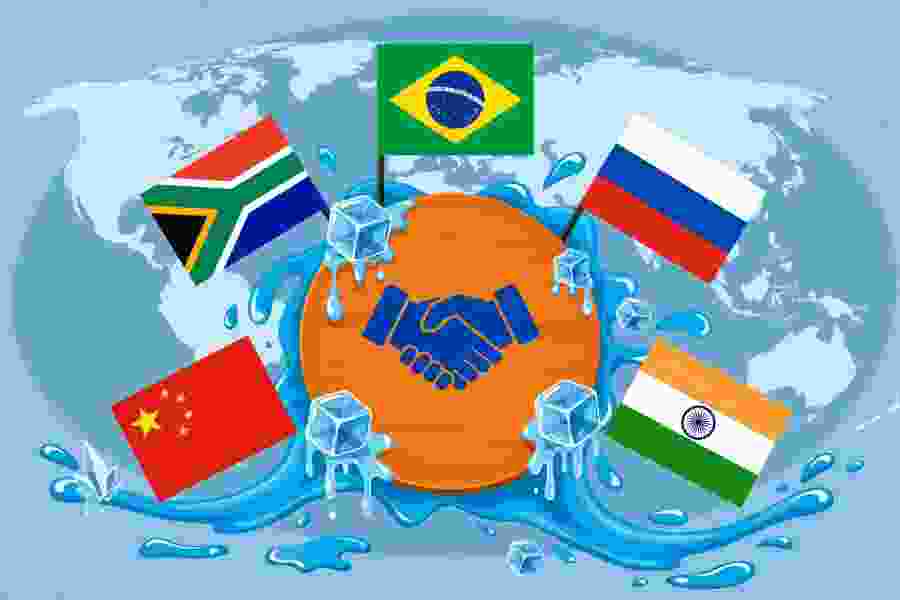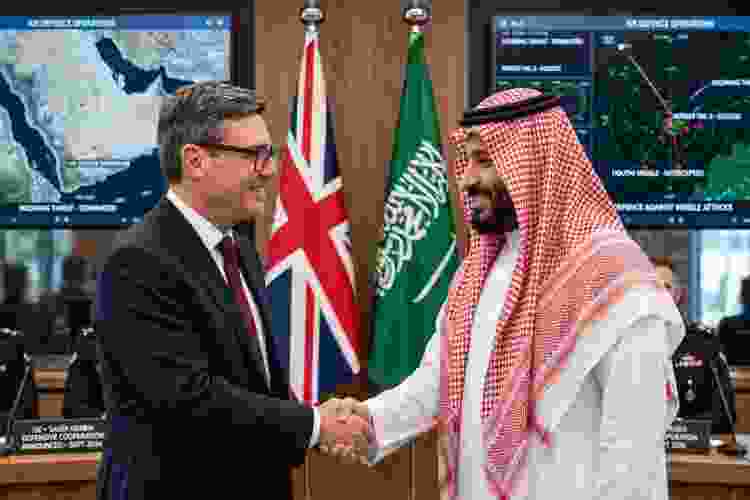


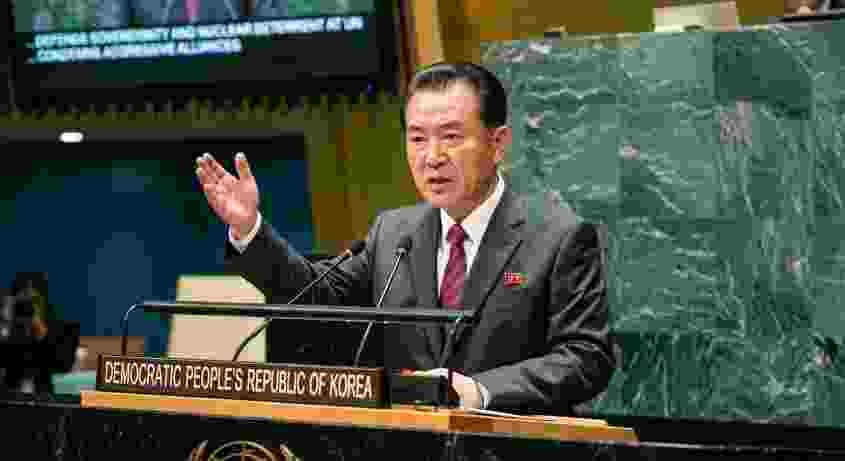

Global geopolitics is undergoing a seismic shift influenced by climate change and conflict. Nations are scrambling to adapt, with peace becoming a rare commodity.
What Happened?
The latest report from Atalayar highlights how climate change is not just an environmental issue but a catalyst for global conflict. As natural disasters and resource scarcity increase, nations are grappling with rising tensions that threaten international stability.
Why Is Everyone Talking About This?
The interplay between climate challenges and geopolitical strife has sparked urgent conversations worldwide. With nations increasingly viewing climate change through a security lens, the need for collaborative peace efforts has never been clearer. This shift is crucial as traditional power dynamics are challenged by emerging economies and environmental crises.
What’s the Reaction?
Leaders and activists alike are sounding the alarm. The global community is calling for innovative solutions that integrate environmental policy with diplomatic efforts. Many see this moment as a chance to redefine international relations, focusing on sustainability and cooperation rather than conflict.
What’s Next?
As countries prepare for the upcoming climate summits, expect a push for policies that emphasize peace through environmental stewardship. New alliances may form, driven by the urgent need to confront climate-related challenges collaboratively.
- Climate change is linked to rising global tensions.
- Emerging economies are reshaping traditional geopolitical landscapes.
- International cooperation is essential for peace and stability.
- Future policies will likely integrate environmental and diplomatic strategies.