

Los Angeles – 2025
In 2020, following the murder of George Floyd and global Black Lives Matter protests, Hollywood made sweeping public commitments to racial justice. Studios posted black squares, commissioned inclusion task forces, and promised systemic reform—from greenlighting to casting to leadership diversity.
But five years later, the industry sits at a complex crossroads. While there have beennoticeable changes in visibility, critics, artists, and insiders increasingly question whether those changes representdeep structural reform—or simply better optics.
What Changed (Visibly)
1. More Diverse On-Screen Representation
- Projects like The Woman King, Judas and the Black Messiah, Reservation Dogs, Everything Everywhere All At Once, and Mo broke through both critically and commercially.
- Audiences saw more Black, Indigenous, Latinx, and AAPI leads in film and TV across genres—not just in race-centered narratives.
2. Inclusion Riders and Casting Reform
- Some studios adopted inclusion riders that mandate diverse hiring in key roles.
- Casting directors are more conscious of typecasting, colorism, and cultural stereotyping.
3. New Leadership Appointments
- Several networks and streamers named Chief Diversity Officers, and some hired BIPOC executives into greenlighting positions—at least temporarily.
4. Academy & Festival Shifts
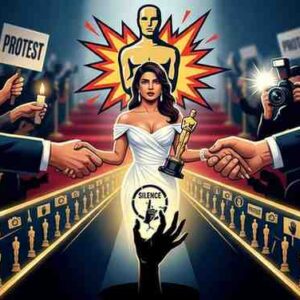
- The Oscars instituted representation criteria for Best Picture eligibility, starting in 2024.
- Sundance, Tribeca, and TIFF platforms expanded funding for marginalized filmmakers.
What Hasn’t Changed (Systemically)
1. Greenlight Power Remains Concentrated
Despite visible progress,white male executives still control the vast majority of financing and greenlighting power. Diverse creators often still require “approval” from traditional stakeholders—limiting risk, voice, and genre experimentation.
2. Performative Hiring
Several diversity officers appointed in 2020 quietly resigned by 2023, citinglack of institutional supportor tokenism. DEI departments were first to face budget cuts during the streaming contraction of 2024.
3. Diversity Burnout
BIPOC creatives have spoken out about the emotional labor of“representing” their community, being pushed to address trauma on screen, or being labeled “difficult” for pushing back on sanitized narratives.
4. Box Office Bias Persists
Original stories led by nonwhite casts still face uphill battles for marketing budgets, theatrical releases, and international distribution—unless backed by franchise or white co-stars.
Industry Case Studies
- Marvel’s “Eternals” and Black Panther: Wakanda Forever proved that inclusion and scale can coexist—yet future diverse-led films were quickly deprioritized after moderate box office dips.
- Ava DuVernay’s Origin received acclaim, but limited marketing, exposing the prestige trap for minority filmmakers: critical praise without institutional momentum.
- Netflix’s diversity slate saw a high cancellation rate, with several shows like Gentefied, Grand Army, and The Midnight Club ending after one season despite loyal fan bases.
What Real Change Looks Like
- Diverse Decision-Making, Not Just Diverse Casting
Representation behind the camera matters most—writers’ rooms, producers, showrunners, editors. - Funding First-Time and Independent Creators
Equity requires risk-sharing, not just buying into polished projects. - Genre Freedom
Let BIPOC creatives make rom-coms, sci-fi, horror, and satire—not just identity dramas. - Institutional Memory
Ensure inclusion isn’t a wave, but an embedded culture, with systems that survive beyond current headlines.
Final Word
Hollywood’s race reckoning sparked awareness—but awareness isn’t transformation.
The real test isn’t how many diverse faces appear on screen, butwho gets to decide what stories are told, how they’re funded, and whether they’re allowed to fail without consequence.
Because the goal was never just representation.
The goal isrestructuring the system that kept it out for so long.