
Key highlights
- Political-style behavior thrives online because identity signaling is rewarded.
- Election and platform governance frameworks treat online content as consequential. Elections 24+1
- “Team mindset” spreads beyond politics into celebrities, creators, even brands.
Myth vs fact
- Myth: Fandom wars are harmless.
Fact: They normalize misinformation tactics: selective clips, pile-ons, and “us vs them” framing. Chief Electoral Officer Delhi+1 - Myth: Rules apply only to politicians.
Fact: The same online ecosystems and grievance mechanisms shape all mass communication. MeitY
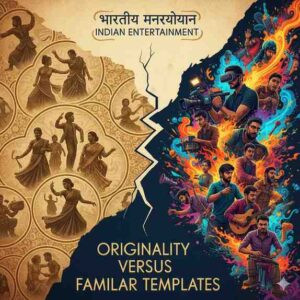
If fandom feels like a political party now, it’s because it borrows the same architecture: leaders, slogans, enemies, loyalty tests. Once you notice it, you can’t unsee it.
India’s election ecosystem explicitly treats online content as relevant to conduct and integrity, including references to the Model Code of Conduct applying to social media activity by candidates and parties. That isn’t “fandom,” but it proves the state views digital messaging as real-world influential.Elections 24
And outside elections, the IT Rules shape how content is reported, escalated, and acted upon. Again, not fandom-specific—but the plumbing matters because it enables mass reporting, takedown pressure, and the weaponization of complaint systems.MeitY
Myth-buster practice for you in 2026: treat extreme loyalty like a red flag. The more a fan account tells you “never question,” the more you should question. Loyalty is easy. Thinking costs.