
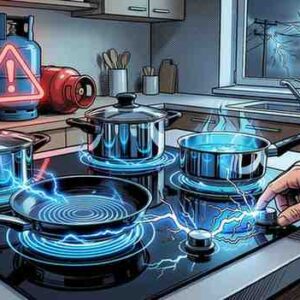


New Delhi, March 13, 2026 — The kitchen blue flame is under siege, and the electric hum of induction is taking its place. India’s domestic energy landscape has shifted in a matter of days as LPG supply chains buckle under global strain.
What the government describes as a “temporary logistical hurdle” has triggered a nationwide scramble for alternative fuels, marking the most significant shift in Indian cooking habits since the Ujjwala revolution.
The LPG Crunch: A Chokehold on the Kitchen
The disruption in the Strait of Hormuz—the transit point for over 85% of India’s LPG imports—has effectively pulled the plug on the steady flow of cooking gas.
- The Supply Gap: While the Centre has invoked the Essential Commodities Act to prioritize domestic cylinders, the reality on the ground is stark. Delivery timelines in cities like Delhi, Mumbai, and Lucknow have stretched from 48 hours to nearly a week.
- New Rules of Engagement: To manage dwindling stocks, the government has introduced a mandatory 25-day booking gap for urban areas and 45 days for rural regions.
- The Commercial Collapse: With commercial LPG supply capped at just 20%, restaurants and street vendors are the hardest hit. Prices for non-subsidized cylinders have jumped to ₹913–₹930, while the black market is reportedly commanding up to ₹3,000 per refill.
The “Induction Surge”: A Survival Necessity
What was once a “secondary backup” or a student’s luxury has become a primary survival tool. The demand for induction cooktops has exploded, turning electronics stores into high-tension zones.
- The 30X Explosion: Amazon and Flipkart report an unprecedented 30-fold increase in induction stove sales. Models that sat in warehouses for months are now marked “out of stock” within minutes on quick-commerce apps like Blinkit and Zepto.
- The Utensil Ripple: The panic isn’t limited to the stoves. Sales of magnetic-bottomed stainless steel and cast-iron cookware have tripled, as families realize their traditional aluminum patilas won’t work on the new electric hobs.
- Corporate Pivot: Major manufacturers like TTK Prestige and Stovekraft have ramped up production to 100% capacity, even airlifting components from China to bypass sea-lane delays, all to meet the “Induction Surge.”
The Power vs. Gas Debate
As millions make the switch, a new economic reality is emerging. At current LPG prices, electric cooking is proving to be nearly 30% cheaper per meal, provided the household stays within a reasonable electricity slab.
- Efficiency: While a gas flame loses 60% of its heat to the air, induction transfers 90% directly to the food.
- The Infrastructure Barrier: Despite the surge, nearly 47% of Indian households lack the high-ampere (15A) sockets required to run these appliances safely, leading to a secondary rush for electrical rewiring and heavy-duty extension cords.
Eateries in “Survival Mode”
From Bengaluru’s dosa points to Lucknow’s kebab stalls, the lack of gas is changing the menu.
- Limited Menus: Restaurants are cutting fuel-intensive dishes. “No-fry” days and a focus on steamed or pre-cooked items are becoming common.
- The Firewood Retreat: In some regions, smaller eateries have been forced back to firewood and coal, a move that environmentalists warn could undo years of progress in indoor air quality.
Bottom Line
The era of the “easy refill” has ended. The current crisis has exposed India’s extreme vulnerability to international fuel routes, forcing a transition to electric cooking that was supposed to take a decade, but is now happening in a fortnight. For the Indian household, the priority has shifted from “Which gas agency?” to “Does our inverter support the induction?”