
Key highlights
- There is no official “cancel culture meter” in India, so most claims are anecdotal.
- What is real is platform pressure and reputation risk, not always real-world consequences. MeitY
- The strongest “cancellations” are usually commercial: brand deals, casting choices, and platform visibility.
Myth vs fact
- Myth: Cancel culture means someone is legally punished.
Fact: Most “cancels” are social and economic, not judicial. - Myth: It is always a tiny loud minority.
Fact: Sometimes yes, but intermediaries and platforms can amplify small spikes into big outcomes. MeitY
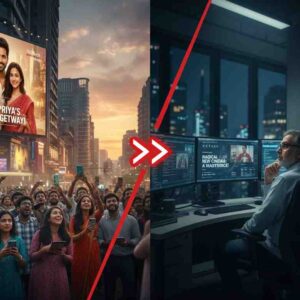
India’s online outrage cycles feel larger than they are because they are optimized for speed. A trending hashtag can look like a national referendum. In reality, what you’re seeing is often a collision of three forces: algorithmic amplification, brand risk-aversion, and platform governance.
The only solid “official” anchor here is not a survey—it’s the rules that shape how online complaints and takedowns work. India’s IT Rules set due diligence expectations and grievance mechanisms for intermediaries. That matters because it determines how quickly content gets acted upon and how visible a complaint becomes.MeitY
Academic work in India and abroad shows how people disagree even on what cancel culture is—justice tool, mob behavior, or accountability theatre—which is exactly why sweeping claims should trigger your skepticism.TIJER Research Journal
A practical myth-buster test you can apply as a reader:
- If the person lost work, ask what kind: brand contract, platform deal, or legal sanction.
- If an apology is issued, ask what changed: content removed, claim corrected, money returned, or just words.
In 2026, “cancel culture” in India is best understood as amarket reactiondressed up as morality. It is not always wrong—and it is rarely clean.