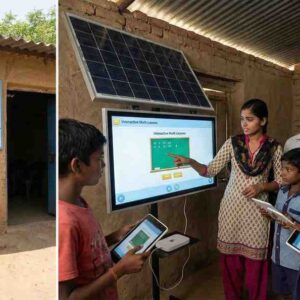

Introduction: Pioneering Smart Urbanization
As India propels itself into the future of urban development, it is harnessing the transformative power of Artificial Intelligence (AI) in novel ways. Beyond conventional applications in traffic and utility management, AI is now pivotal in less-discussed yet critical areas of urban planning. These innovative applications are not only redefining how cities operate but also showcasing India’s commitment to sustainable and inclusive urban ecosystems.
Emerging AI Applications in Urban Infrastructure
India’s exploration of AI in urban planning includes several pioneering initiatives that spotlight its innovative approach to city management:
- AI for Environmental Compliance and Green Building: Leveraging AI, Indian cities are now more effectively monitoring environmental impacts and compliance with green building codes. AI systems analyze data from construction sites in real-time, ensuring that new developments adhere to environmental standards and contribute to sustainable urban growth.
- Waste Management Optimization: AI is revolutionizing waste management in urban India by predicting waste generation patterns and optimizing collection routes. Smart bins equipped with sensors use AI to notify management services when they are full, reducing overflow and increasing efficiency in waste collection.
- Water Quality Surveillance: In an innovative move, AI is employed to monitor and report on water quality across urban centers. AI algorithms analyze data from sensors placed in water bodies to detect contaminants and predict potential pollution events, enabling proactive management of water resources.
- Heritage Conservation: AI tools are being used to preserve India’s cultural heritage by monitoring the structural health of historic buildings and predicting maintenance needs before they become critical. This application ensures that conservation efforts are timely and effective, safeguarding heritage sites for future generations.
Government Initiatives and Collaborative Efforts
These cutting-edge applications are supported by robust government initiatives and public-private partnerships:
- Smart Cities Mission – Extended Applications: While the Smart Cities Mission is well-known for its broad scope, its focus on leveraging AI for environmental and heritage conservation is less publicized. These projects demonstrate a deep integration of technology in preserving the cultural and environmental integrity of urban India.
- Innovate in India (i3) Program: This government initiative fosters collaboration between the state, global leaders in technology, and local startups to pilot AI solutions in less conventional areas like waste management and water quality surveillance.
- Capacity Building and Workshops: To ensure the successful implementation of these AI initiatives, the government conducts workshops and training sessions for local officials and stakeholders, emphasizing the importance and use of AI in new domains of urban planning.
Challenges and Innovations
Implementing AI in these novel areas does present unique challenges:
- Public Awareness and Engagement: One significant challenge is enhancing public awareness about the benefits of AI in urban management, particularly in applications like heritage conservation and environmental monitoring.
- Data Integration and Interoperability: Integrating data from various urban systems and ensuring interoperability between different AI applications remains a technical and administrative challenge.
- Funding and Resource Allocation: Ensuring adequate funding and resources for these innovative AI applications requires sustained investment and prioritization at all government levels.
Conclusion: Redefining Urban Innovation
India’s use of AI in urban planning is moving beyond traditional applications, tackling unique challenges with innovative solutions. By focusing on areas like environmental compliance, waste management optimization, and heritage conservation, India is not just addressing the immediate needs of its urban populations but also preserving its rich history and natural resources. These efforts highlight a broader commitment to a sustainable and culturally rich urban future, setting a global benchmark in AI-powered urban innovation.