


NEW DELHI / SILIGURI, March 1, 2026 — The map of Eastern India may be on the verge of its most significant transformation since the creation of Jharkhand. Speculation is mounting that the Central Government is preparing to carve out a new Union Territory (UT) known as Seemanchal, a move proponents call a “strategic masterstroke” to safeguard the fragile Siliguri Corridor—the narrow strip of land popularly known as the “Chicken’s Neck.”
Securing the “Chicken’s Neck”
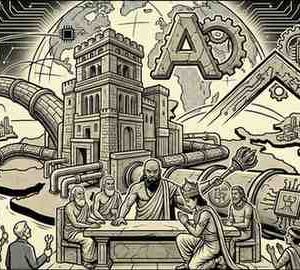
The Siliguri Corridor is a mere 22-kilometer-wide stretch of land that connects mainland India to its eight North-Eastern states. Geopolitically, it is a high-pressure zone, squeezed between Nepal, Bhutan, and Bangladesh, with Chinese military presence looming just a few dozen kilometers away in the Chumbi Valley.
Under the current administrative setup, security in this corridor is a split responsibility between the West Bengal and Bihar state governments and central agencies. Analysts argue that this creates “blind spots” in intelligence and response. By converting the Seemanchal districts—Kishanganj, Araria, Purnia, and Katihar—into a Union Territory, the Centre would gain direct, unified command over the region’s security apparatus.
The “Amit Shah Audit”: Precursor to Change?
The rumors gained momentum following Home Minister Amit Shah’s recent three-day tour of the region. Notably, the Minister bypassed state capitals and held direct, closed-door meetings with District Magistrates (DMs) and Superintendents of Police (SPs).
Insiders suggest this wasn’t a political campaign, but an “Internal Security Audit.” Discussions reportedly centered on:
- Infiltration Patterns: Tracking illegal border crossings from the porous Bangladesh and Nepal borders.
- Demographic Shifts: Addressing rapid population changes in border districts.
- Smuggling Networks: Disrupting the established routes for drug and human trafficking.
Political Re-engineering or Security Necessity?
Critics describe the move as “Political Re-engineering” disguised as national security. If realized, the UT would likely include several districts from North Bengal, effectively dismantling a significant portion of West Bengal Chief Minister Mamata Banerjee’s administrative jurisdiction.
In Bihar, the move faces resistance from those protecting the “Mithila Identity.” There is a growing fear that separating Seemanchal would lead to “cultural fragmentation,” trading long-standing regional history for federal control.
The Constitutional “Playbook”
The government is likely to use Article 3 of the Indian Constitution, which gives Parliament the absolute power to alter state boundaries or create new UTs. This follows the “Laddakh Model” established in 2019, where the Centre moved swiftly to reorganize a sensitive border region under direct Delhi rule to prioritize “extraordinary security”.
Bottom Line
The era of managing the Chicken’s Neck through state-level coordination may be ending. While the government has yet to issue an official notification, the “masks are off” regarding the strategic intent: India’s most vital land link can no longer be a theater for state-center friction. As one analyst noted, “It is no longer a question of if, but a question of when and how.”