
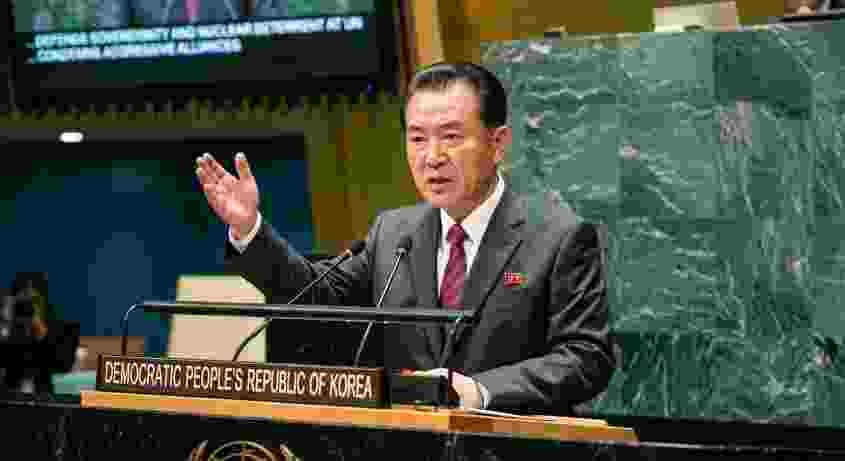

Iran is embroiled in escalating tensions with Israel and the United States, marking a significant moment in global politics. This conflict is rooted in long-standing geopolitical rivalries and recent military actions.
What Happened?
On August 24, 2026, the Council on Foreign Relations released a detailed Global Conflict Tracker highlighting the intensifying war between Iran, Israel, and the U.S. The situation has deteriorated due to a series of military skirmishes and strategic maneuvers, impacting not just the Middle East but also global stability.
Why Is Everyone Talking About This?
This conflict is critical because it involves three major players on the world stage. Iran’s ambitions, Israel’s defensive strategies, and U.S. military presence create a complex web of alliances and enmities. The stakes are high, affecting oil prices, international diplomacy, and even global security.
What’s the Reaction?
Global reactions have been mixed. Some countries express concern over a potential escalation, while others support Iran’s stance. Social media is buzzing with analyses, memes, and opinions, showcasing how deeply this issue resonates with the youth and urban audiences worldwide.
What’s Next?
Looking ahead, experts warn that without diplomatic intervention, the situation may escalate further. Continued military actions could lead to broader conflict, dragging in more nations and impacting global trade. Activists and governments alike are calling for dialogues to prevent a larger catastrophe.
- August 2026 marks a pivotal moment in Iran’s military actions against Israel.
- The U.S. has reaffirmed its commitment to Israel amid rising tensions.
- Oil prices may fluctuate due to instability in the region.
- Social media plays a crucial role in shaping public perception of the conflict.