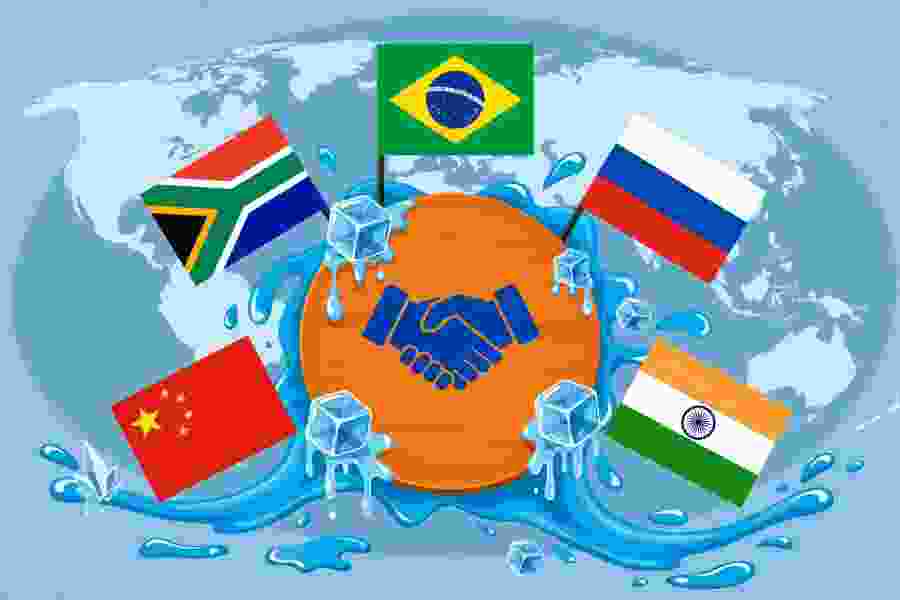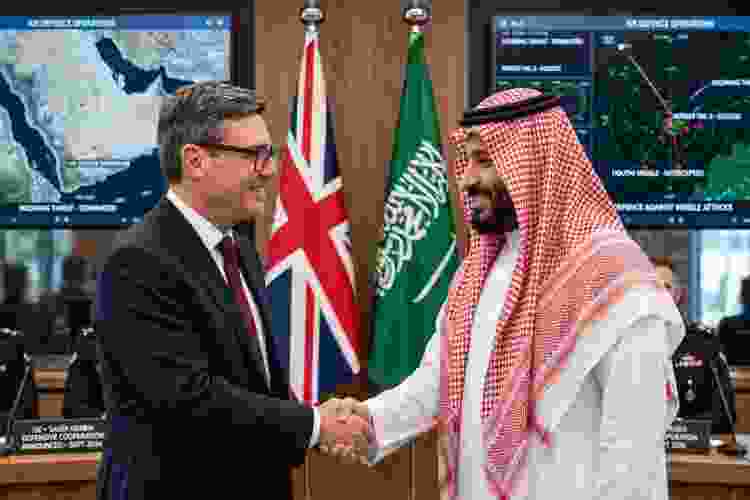


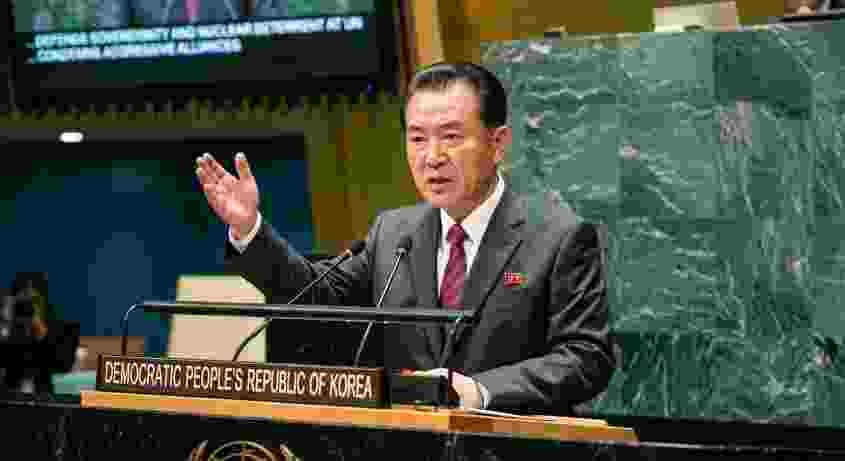

Indian journalists are stepping up their game by covering crucial global issues, particularly China’s rise and the shifting power dynamics in the Middle East. Their insights are shaping the narrative around India’s role in a rapidly changing world.
What Happened?
On August 16, 2026, a pivotal report highlighted the increasing influence of Indian journalists in reporting on China, the Middle East, and shifting global power. This shift comes as the geopolitical landscape becomes more complex and intertwined, with India positioned as a key player.
Why Is Everyone Talking About This?
The global power structure is evolving, and Indian media is at the forefront of this narrative. As China asserts its dominance and the Middle East navigates its own challenges, Indian journalists are providing critical insights that resonate both locally and internationally. Their work not only informs the public but also shapes India’s diplomatic stance.
What’s the Reaction?
Reactions to this trend have been mixed yet predominantly positive. Media experts applaud the depth and perspective Indian journalists bring, while some traditionalists express concern over the potential biases in reporting. However, the overall sentiment recognizes the importance of diverse voices in global journalism.
What’s Next?
As geopolitical tensions rise, the role of Indian journalists will likely expand. Expect more in-depth analyses, collaborative projects with international media, and a focus on underreported stories. With technology and social media amplifying their reach, Indian journalists are poised to become influential players in global discourse.
- Indian journalists are increasingly covering stories related to China and the Middle East.
- The geopolitical landscape is shifting, and India’s role is becoming more significant.
- Media experts are recognizing the fresh perspectives brought by Indian reporting.
- Expect a rise in collaborative efforts between Indian and international media outlets.