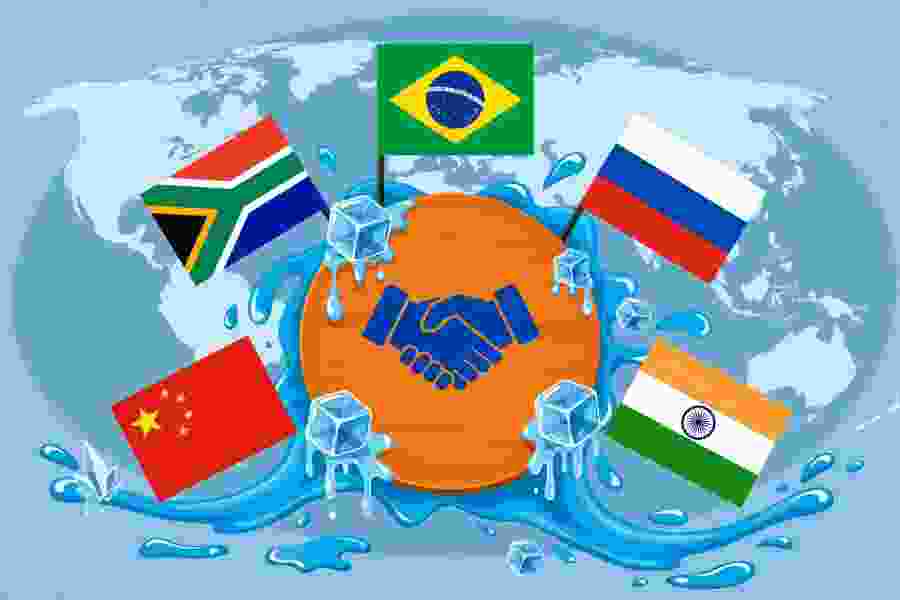


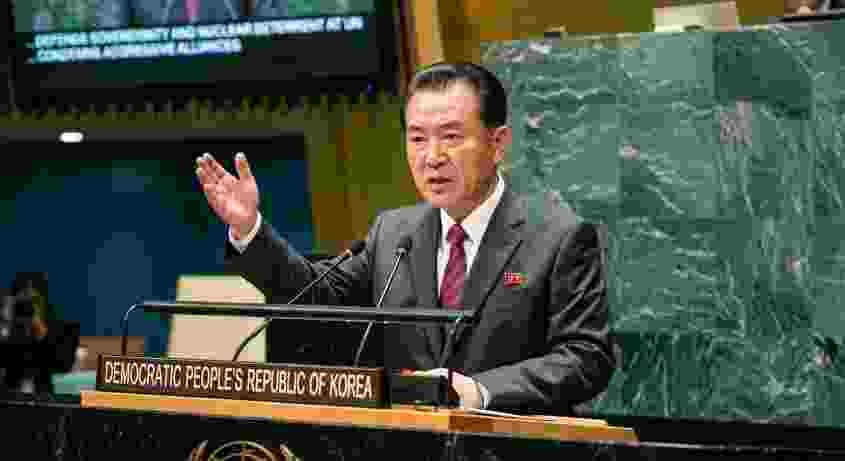

The ongoing Iran conflict has exposed deep fractures within the BRICS alliance, putting India in an uncomfortable diplomatic spotlight. New Delhi now faces the challenge of maintaining ties with both Western partners and its BRICS allies amid escalating geopolitical tensions.
The BRICS bloc — once celebrated as a unified counterweight to Western dominance — is showing serious cracks as the Iran crisis intensifies. India, which has carefully cultivated relationships on multiple fronts, finds itself at the centre of a geopolitical storm that could reshape its foreign policy calculus for years to come.
What Happened?
The Iran war has created a fault line within BRICS, with member nations taking divergent positions on the conflict. India’s long-standing strategic partnerships with both Iran and the United States have placed New Delhi in a uniquely difficult position. The BRICS grouping, which includes Brazil, Russia, India, China, South Africa, and newer members like Iran itself, is struggling to present a unified front.
Why Is This a Big Deal for India?
India has historically maintained a delicate balance between its BRICS commitments and its Quad alliance with the US, Japan, and Australia. The Iran situation threatens to force India into making uncomfortable choices between competing alliances. New Delhi’s energy security, regional influence in West Asia, and diplomatic credibility are all at stake as the crisis unfolds.
What Are the Key Stakes Involved?
India’s relationship with Iran extends beyond politics — it includes crucial oil imports, the Chabahar port project, and cultural ties spanning centuries. The fracturing of BRICS could also embolden China to assume greater leadership within the bloc, potentially marginalising India’s voice. For ordinary Indians, any disruption to West Asian stability could impact fuel prices and the safety of millions of Indian workers in the Gulf region.
- BRICS expanded in 2024 to include Iran, Egypt, Ethiopia, and the UAE, making internal consensus harder to achieve
- India imports significant crude oil from Iran despite US sanctions pressure
- The Chabahar port remains India’s strategic gateway to Central Asia and Afghanistan
- Over 8 million Indians live and work in the Gulf and West Asian region
- China and Russia have taken stronger pro-Iran positions, complicating India’s neutral stance
How Is India Responding?
India has historically adopted a policy of strategic autonomy, refusing to align completely with any single power bloc. Indian diplomats are likely working behind the scenes to de-escalate tensions while protecting national interests. New Delhi’s response to the BRICS fracture will be closely watched by both Western capitals and its Asian neighbours.
What To Watch Next
The upcoming BRICS summits will be crucial in determining whether the bloc can paper over its differences or whether deeper divisions emerge. India’s diplomatic messaging in the coming weeks will signal which way New Delhi is leaning. Indian citizens should keep an eye on fuel price movements and any travel advisories for West Asian nations as the situation develops.