



As India reimagines its education system, a significant shift is underway: the growing call to move beyond exam-centric learning towards a more practical, hands-on approach. With students, parents, and educators advocating for a balance between academic knowledge and real-world application, the focus on experiential learning is gaining momentum.
The Problem with Exam-Centric Education
Numbers That Speak
- India’s education system has long been criticized for its reliance on rote memorization. A survey by ASER (Annual Status of Education Report) revealed that over 73% of students in Grade 8 could not solve basic application-based math problems, underscoring the limitations of an exam-heavy approach.
Stagnation in Skills
- The emphasis on grades and exams often sidelines the development of critical life skills like problem-solving, creativity, and communication. According to a report by the Ministry of Skill Development, only 20% of Indian graduates are employable due to the lack of practical skills.
The Rise of Experiential Learning
NEP 2020 and Practical Learning
- The National Education Policy (NEP) 2020 has championed the cause of experiential learning. With its focus on reducing curriculum content, encouraging project-based activities, and integrating vocational training from Grade 6, the NEP aims to ensure students acquire both theoretical knowledge and practical skills.
Integration of Technology
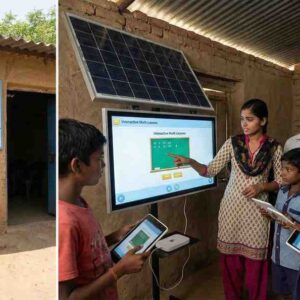
- Digital tools like AR (Augmented Reality) and VR (Virtual Reality) are being introduced in classrooms to create immersive, hands-on learning experiences. Schools across India are adopting tech-enabled methods to teach subjects like science, history, and geography in ways that enhance understanding and retention.
Benefits of Hands-On Education
Fostering Real-World Readiness
- Practical learning equips students with skills they can apply beyond classrooms. A study by the World Bank showed that countries emphasizing experiential learning produce graduates who are 40% more likely to secure meaningful employment in emerging industries.
Boosting Retention and Interest
- Experiential methods make education engaging. For instance, schools integrating STEM (Science, Technology, Engineering, Mathematics) activities have reported a 35% increase in student participation and interest in these subjects.
Challenges in Implementation
Resource Gaps
- While private schools are quick to adopt experiential learning techniques, many government schools face challenges due to limited resources and infrastructure. A report by NITI Aayog highlighted that only 48% of rural schools in India have access to basic science labs, let alone advanced learning tools.
Teacher Training
- Effective experiential learning demands trained educators who can guide students through these innovative approaches. However, data from the Ministry of Education shows that only 30% of teachers receive annual professional development training, creating a gap in implementation.
Paving the Way for Experiential Learning
Public-Private Partnerships
- Collaboration between the government and private sectors can bridge resource gaps. Initiatives like the Atal Innovation Mission are bringing innovation labs to schools across India, encouraging creative thinking and hands-on learning.
Parental and Community Support
- Parents and communities play a critical role in advocating for practical learning. Awareness campaigns about the benefits of experiential education can help shift mindsets from traditional exam-centric approaches to more balanced, skill-focused methodologies.
Conclusion
As the demand for practical learning grows, India stands at a pivotal point in its educational evolution. Moving beyond exams to embrace experiential learning can transform students into well-rounded individuals, ready to navigate the complexities of the modern world. With the NEP 2020 paving the way, the question remains: Will India seize this opportunity to redefine education, ensuring its students are equipped not just to pass exams but to excel in life?