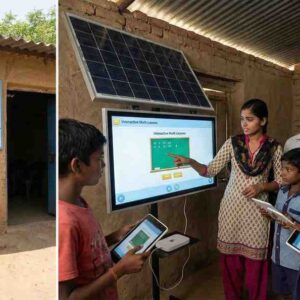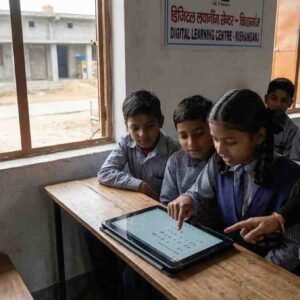




The safety of children within educational institutions is a paramount concern that has gained significant attention in India over recent years. Incidents of violence, bullying, and breaches of security have prompted a nationwide debate on the effectiveness of the security measures in place at Indian schools. As parents entrust their children to these institutions, ensuring a safe learning environment is crucial.
Current Security Concerns in Indian Schools
Physical Safety
- Instances of violence and accidents within school premises have raised alarms about physical safety. Reports of inadequate building safety standards and poorly maintained infrastructure contribute to these concerns.
Cybersecurity and Privacy
- With the increasing integration of digital technologies in education, cybersecurity threats such as data breaches, cyberbullying, and inappropriate content access have become significant issues that need addressing.
Staff and Student Conduct
- Cases involving misconduct by staff, including abuse and neglect, have spotlighted the need for rigorous background checks and continuous monitoring of all personnel in schools.
Evaluating the Existing Security Measures
Infrastructure and Access Control
- Many schools have implemented basic security measures such as CCTV cameras and security personnel. However, the enforcement and monitoring often remain inconsistent. According to a survey conducted by Save the Children India, only about 54% of schools have functional CCTV surveillance systems.
Emergency Preparedness
- Emergency response strategies are crucial for dealing with situations like fires or natural disasters. Despite guidelines issued by the National Disaster Management Authority (NDMA), many schools are still not equipped with comprehensive emergency response plans.
Cybersecurity Protocols
- As classrooms become more digital, the need for robust cybersecurity measures becomes more critical. Initiatives like the Digital India campaign have encouraged schools to adopt digital platforms, but comprehensive cybersecurity training and protocols lag behind.
Staff Training and Background Checks
- While regulations mandate background checks and training for school staff, enforcement varies significantly across states and institutions. Continuous professional development in child protection and safety is still not a universal practice in schools.
Steps to Enhance School Safety
Standardizing Safety Protocols
- Implementing a standardized safety protocol across all schools, adhering to guidelines set by bodies such as the CBSE and NCPCR, could help in maintaining a consistent safety standard.
Enhanced Surveillance and Monitoring
- Investing in advanced security systems and ensuring their proper maintenance and monitoring can deter potential security breaches and ensure quicker responses to any incidents.
Regular Safety Drills and Audits
- Conducting regular safety drills and comprehensive safety audits can prepare schools to respond effectively to emergencies and ensure all safety equipment and protocols are up to date.
Strengthening Cybersecurity Measures
- Schools must prioritize cybersecurity by implementing strong digital safety protocols and regularly training staff and students on cybersecurity best practices.
Community and Parental Involvement
- Involving parents and the community in safety initiatives can enhance transparency and collective responsibility for maintaining a secure environment.
Conclusion
While many Indian schools have taken steps to secure their premises and protect their students, gaps in enforcement, monitoring, and training persist. Ensuring the safety of children requires a concerted effort from educational institutions, government bodies, and the community. By strengthening existing measures and implementing comprehensive safety protocols, schools can create a safer and more conducive environment for learning.