


India’s fashion industry has entered a defining era—one wherecraft meets consciousnessandtradition coexists with innovation. Across runways, retail spaces, and red carpets, Indian designers are crafting a narrative that is unapologetically rooted yet universally relevant.
Traditional Textiles in Contemporary Forms
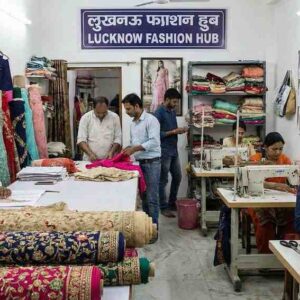
Heritage crafts likeChikankari,Dabu,Bandhani, andPattachitraare no longer limited to ethnic wear or festive capsules. Labels such asUrvashi Kaur,Anavila, andToraniare reinterpreting these age-old techniques into minimal silhouettes, oversized shirts, and gender-fluid separates. The goal is not just preservation—but repositioning.
This resurgence is bolstered by a growing global appetite for handcrafted luxury that carries a story. Indian artisans, once confined to domestic couture, are now part of collections presented in Paris, London, and Tokyo.
Circular Fashion Gains Ground
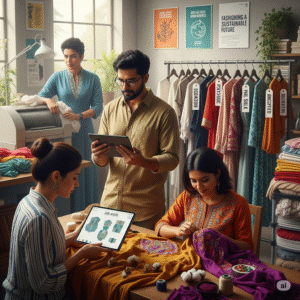
Indian fashion is also experiencing a shift in its sustainability narrative. Brands likeDoodlage,Iro Iro, andHouse of Mariciare pioneering efforts incircular design, zero-waste pattern making, and upcycling discarded fabrics. What was once a niche movement is now an emerging norm, with conscious consumerism influencing purchase patterns across Tier 1 and Tier 2 cities.
In parallel, traditional processes like natural dyeing and handloom weaving are gaining new relevance for their low environmental footprint.
Inclusivity as a Cultural Core
Inclusivity in Indian fashion has moved beyond tokenism. Designers and brands are actively diversifying their campaigns and runways—withplus-size models,trans voices, andregional representationbecoming more mainstream. Influencers such asSakshi Sindwani,Roshini Kumar, andSurya Sarkarare not just breaking beauty norms but reshaping them.
India’s fashion conversation is now being led by bodies and voices that were previously invisible, bringing much-needed dynamism to its visual culture.
Global Diplomacy and Fashion Trade
With international trade agreements such as theIndia-UK Free Trade Dealpaving new pathways for textile and fashion exports, the Indian fashion ecosystem is preparing to scale. As import barriers lower and bilateral collaborations increase, Indian designers have greater access to luxury retail platforms abroad, while international brands are entering India’s high-growth luxury and lifestyle market with more agility.
This synergy is redefining fashion not just as art or commerce, but also as a tool ofcultural diplomacy.
Fashion That Thinks Forward
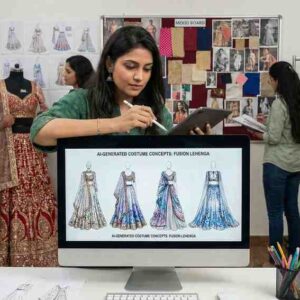
What defines the Indian fashion identity today is its ability to honor the past while looking ahead. Whether it’s the use of kantha stitch on blazers or the launch of digital-only sari collections in the metaverse, India’s designers are not choosing between heritage and innovation—they are fusing them into something singular and globally compelling.
As the industry matures, what’s emerging is not a borrowed voice but an original one—crafted in India, spoken globally.