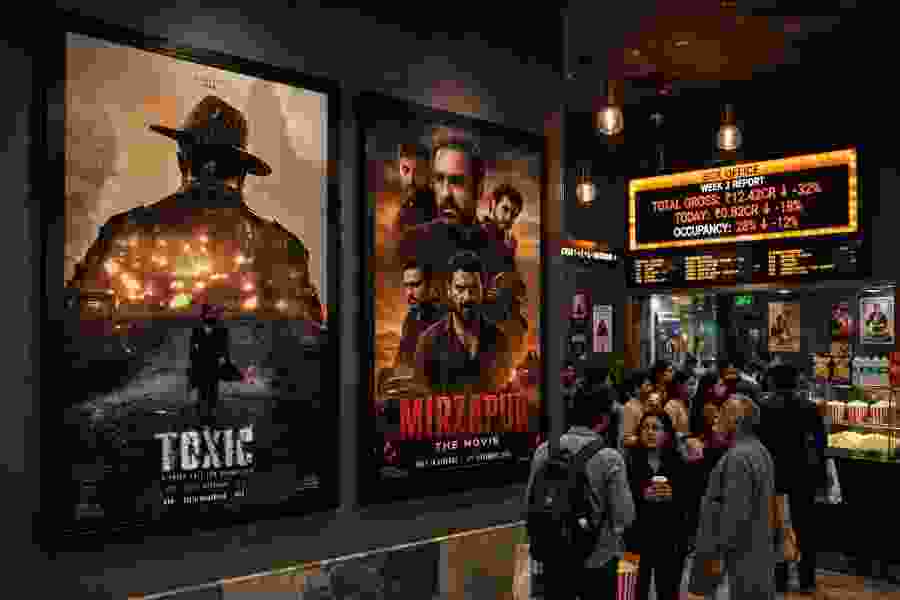




Introduction: Pioneering Technological Integration in Indian Cinema
The journey of technological innovations in Bollywood is a fascinating saga of creativity and ambition, marked by landmark films that introduced groundbreaking technologies. These advancements have not only enhanced the cinematic experience but also paved the way for future innovations in the industry.
Historic Milestones in Bollywood’s Technological Evolution
- “Alam Ara” (1931): Directed by Ardeshir Irani, this film holds the historic title of India’s first talking movie. The introduction of sound transformed Indian cinema, moving it away from the silent era and setting a new benchmark for storytelling.
- “Kisan Kanya” (1937): As the first color film in India, directed by Moti B. Gidwani, “Kisan Kanya” used the Cinecolor process to bring vibrant visuals to the screen. This technological feat opened up new vistas for expressive storytelling in Indian cinema.
- “Sholay” (1975): This cult classic directed by Ramesh Sippy was one of the first Indian films to use the 70mm widescreen format along with stereophonic sound. The film’s presentation was groundbreaking, offering an immersive experience that was previously unheard of in Indian theaters.
- “Hum Aapke Hain Koun..!” (1994): Directed by Sooraj R. Barjatya, this family drama was one of the first Bollywood films to incorporate high-definition video technology, especially for the filming of its songs. This use of HD technology significantly enhanced the visual clarity and detail of the film, setting a precedent for future productions.
- “Ra.One” (2011): This science fiction film directed by Anubhav Sinha pushed the boundaries of Indian visual effects with its extensive use of 3D digital effects. “Ra.One” showcased what is possible with the right technology and expertise, influencing many subsequent films to explore advanced VFX.
The Impact of Technological Advances
These technological milestones have not only contributed to the individual success of each film but have also influenced broader trends in the industry. The integration of sound, color, widescreen formats, high-definition filming, and sophisticated visual effects has dramatically enhanced how stories are told and experienced in Bollywood.
Conclusion: Bollywood’s Ongoing Technological Journey
As Bollywood continues to embrace new technologies, the industry remains at the forefront of cinematic innovation. Each technological leap, from “Alam Ara” to “Ra.One”, represents a significant step forward in enriching cinematic storytelling and audience engagement. The future of Bollywood looks promising, with ongoing advancements promising to bring even more spectacular and immersive cinematic experiences to audiences around the world.