


Ghaziabad, 2025– Once a city defined by its vibrant neighborhoods and close-knit communities, Ghaziabad has transformed into a sprawling urban hub. As high-rises replace open spaces and infrastructure development takes precedence, many residents are beginning to question the cost of progress. Has Ghaziabad’s rapid growth come at the expense of its community spirit?
The Urbanization Boom: A Double-Edged Sword
Ghaziabad’s proximity to Delhi and its designation as a part of the National Capital Region (NCR) have spurred unprecedented growth. Over the past decade, large-scale residential and commercial projects have reshaped the city’s skyline. While this urbanization has attracted investment and created jobs, it has also introduced challenges that threaten the social fabric of the city.
“We’ve seen an explosion of infrastructure, but at what cost? The sense of community that once defined Ghaziabad is disappearing,” says Meena Kapoor, a long-time resident. Increasingly congested roads, diminishing green spaces, and a rising population density are key concerns for locals.
Government Initiatives and Their Impact
The Uttar Pradesh government has launched several initiatives to manage Ghaziabad’s growth. The construction of new flyovers, metro extensions, and waste management systems aim to address the logistical challenges of urbanization. Simultaneously, projects like the ‘Ghaziabad Smart City Mission’ emphasize technology-driven governance and infrastructure.
However, critics argue that these measures often prioritize physical development over social cohesion. “Urban planning in Ghaziabad is heavily focused on infrastructure, with little consideration for fostering community spaces or preserving cultural landmarks,” observes urban planner Ravi Sharma.
Voices from the Ground
Residents of Ghaziabad express a range of perspectives on the city’s transformation. For small business owner Arvind Gupta, the influx of people has meant economic growth. “Our customer base has expanded dramatically, thanks to the growing population,” he says.
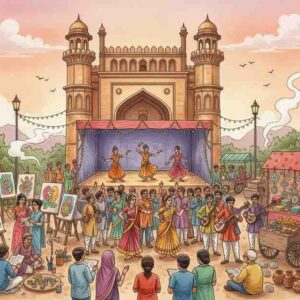
Conversely, Ritu Mishra, a school teacher, laments the loss of community spaces. “Parks where children once played are now parking lots. Festivals and neighborhood gatherings are fading away,” she notes. This sentiment reflects a broader concern that the city’s rapid modernization is eroding its identity.
A Blueprint for Sustainable Growth
Experts suggest that Ghaziabad’s future depends on striking a balance between development and community preservation. Recommendations include:
- Integrated Urban Planning: Designing neighborhoods with accessible parks, cultural centers, and pedestrian-friendly zones to encourage social interaction.
- Community Engagement: Involving residents in decision-making processes to ensure that growth aligns with their needs and aspirations.
- Green Infrastructure: Prioritizing eco-friendly development, such as rooftop gardens and urban forests, to enhance quality of life.
As Ghaziabad evolves, its challenge lies in ensuring that progress does not come at the expense of the communal bonds that once defined it. By fostering a holistic approach to urbanization, the city can aim to grow without losing its soul.
References:
- Reports from the Ghaziabad Development Authority (GDA)
- Uttar Pradesh Government Urban Planning Documents
- Interviews with Local Residents and Urban Experts