

A Debate Over Cultural Identity and Global Influence in the City of Nawabs
Key Metrics:
- Revenue from Chikankari Exports: ₹1,200 crore annually (Uttar Pradesh Handicrafts Development Corporation).
- Employment in Traditional Crafts: Over 2.5 lakh artisans employed in Chikankari and related crafts (Ministry of Textiles).
- Share of Local Designers in Fashion Retail: Estimated at only 15% of the city’s fashion retail sector (Lucknow Development Authority Study, 2024).
- Market Growth: The fashion retail market in Lucknow grew by 18% between 2020 and 2024, driven by branded stores and e-commerce (Confederation of Indian Industry).
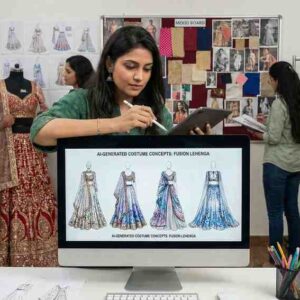
Lucknow, 2025– Renowned for its timeless elegance and rich heritage, Lucknow has long been a beacon of cultural sophistication. Yet, as global fashion brands flood the market and dominate retail spaces, the city’s indigenous fashion traditions and local designers face growing challenges. Is the city’s fashion industry evolving to support its rich heritage, or are imported trends overshadowing local artistry?
A Legacy of Craftsmanship
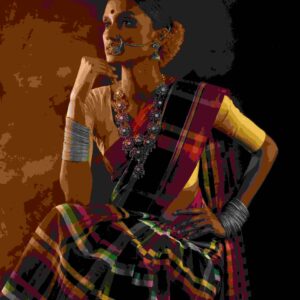
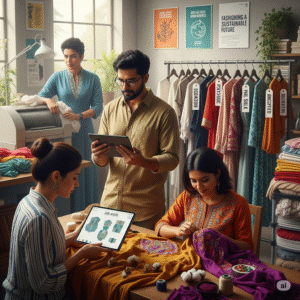
Lucknow is synonymous with Chikankari, an intricate hand-embroidery technique that dates back centuries. According to theUttar Pradesh Handicrafts Development Corporation, the Chikankari industry generates ₹1,200 crore annually, employing over 2.5 lakh artisans, most of whom are women.
TheGeographical Indications Registrygranted Chikankari a GI tag in 2008, underscoring its unique cultural and economic significance. However, despite this recognition, artisans often struggle with low wages and a lack of direct access to lucrative markets.
The Rise of Imported Trends
The growing presence of international fashion brands in Lucknow’s malls and retail outlets has reshaped consumer preferences. A study by theLucknow Development Authorityfound that 85% of fashion retail sales in the city are dominated by national and international brands, leaving local designers with only a small share of the market.
E-commerce platforms, while expanding consumer choice, have further tilted the balance. TheConfederation of Indian Industry (CII)notes that while online platforms offer Chikankari products, they are often mass-produced imitations, undercutting traditional artisans in terms of price and authenticity.
Challenges for Local Designers
Lucknow-based designers face multiple barriers in gaining visibility and market share:
- Limited Retail Space: A 2024 report by the Uttar Pradesh State Planning Commission highlights that premium retail spaces in the city’s high-footfall areas are overwhelmingly occupied by international brands.
- Lack of Branding Support: According to the Ministry of Textiles, less than 10% of local artisans and designers have access to branding and marketing resources, limiting their ability to compete with established players.
- Economic Pressures: The cost of maintaining traditional craft standards, including fair wages for artisans, often makes locally designed products more expensive than imported alternatives.
Government and Institutional Efforts
Recognizing the challenges faced by Lucknow’s fashion industry, several initiatives aim to support local artisans and designers:
- ODOP (One District, One Product): Under this scheme, Lucknow’s Chikankari industry receives financial and marketing support, including participation in national and international trade fairs.
- Design Education: The National Institute of Fashion Technology (NIFT), Rae Bareli, has partnered with local craft clusters to modernize designs while retaining traditional aesthetics.
- Artisan Welfare Programs: The Ministry of Textiles has launched programs providing health insurance and skill development training for Chikankari artisans.
The Way Forward
Experts emphasize the need for a balanced approach that integrates global trends with local traditions. Dr. Priya Malhotra, a fashion industry analyst, says, “Lucknow’s fashion industry must leverage its heritage while innovating to meet modern consumer demands. Collaboration between local designers and e-commerce platforms can bridge this gap.”
Key recommendations include:
- Dedicated Retail Zones: Create exclusive retail spaces for local designers and artisans in high-visibility areas.
- Digital Transformation: Equip artisans and designers with digital tools to sell directly to consumers, bypassing intermediaries.
- Cultural Branding: Develop marketing campaigns highlighting the cultural and social significance of purchasing locally made products.
- Collaborative Collections: Encourage partnerships between global brands and local designers to promote cultural fusion and ensure fair representation.
Cultural Identity at a Crossroads
Lucknow’s fashion industry stands at a critical juncture, where the allure of imported trends must be balanced with the preservation and promotion of its cultural identity. While government initiatives and local efforts are making strides, much remains to be done to secure a sustainable future for the city’s indigenous fashion. The question persists: Will Lucknow celebrate its heritage through its fashion, or will it let global trends dictate its narrative?