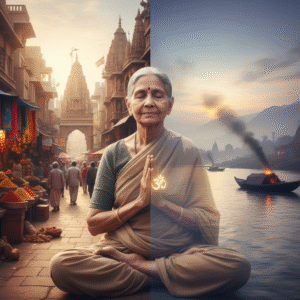




A Path to Inner Peace and Universal Connection
Vedic philosophy, rooted in the ancient scriptures of theVedas, offers profound insights into the spiritual journey, guiding individuals toward self-realization and harmony with the cosmos. Unlike rigid dogmas, the Vedas emphasize exploration, inquiry, and personal growth, presenting spirituality as an evolving path rather than a fixed destination. These teachings continue to inspire seekers, offering timeless wisdom for navigating life’s complexities and discovering deeper meaning.
1. Understanding the Self: The Essence of Spirituality
The Vedas place the self (atman) at the center of the spiritual journey, urging individuals to look within to uncover their true nature.
- Unity with Brahman: The Upanishads teach that the self is identical with Brahman (the universal consciousness). This realization, known as moksha, frees individuals from the cycle of birth and death (samsara).
- Mandukya Upanishad: “The self is beyond the senses, beyond the mind, pure and eternal.”
- Practical Lesson: Introspection and mindfulness, inspired by these teachings, help individuals cultivate inner peace and self-awareness.
2. Paths to Spiritual Growth
Vedic philosophy recognizes multiple paths to spiritual fulfillment, acknowledging the diversity of human inclinations.
- Jnana Yoga (Path of Knowledge): Emphasizes intellectual inquiry and self-reflection to realize truth.
- Bhakti Yoga (Path of Devotion): Focuses on love and surrender to the divine, fostering emotional connection.
- Karma Yoga (Path of Action): Advocates selfless service and ethical living as spiritual practices.
- Raja Yoga (Path of Meditation): Combines meditation and discipline to transcend the mind’s limitations.
Each path reflects the Vedic belief that spirituality is not a one-size-fits-all journey but a deeply personal exploration.
3. The Role of Dharma in Spirituality
- Living in Harmony: The Vedas stress dharma (righteous duty) as a foundation for spiritual progress, encouraging individuals to align their actions with universal principles of justice and compassion.
- Bhagavad Gita Insight: Krishna teaches Arjuna to perform his duties selflessly, emphasizing action without attachment to outcomes.
- Relevance Today: Following dharma in modern life—through ethical decision-making and social responsibility—can foster personal growth and societal harmony.
4. Overcoming Challenges on the Spiritual Path
The spiritual journey, as described in the Vedas, is not without obstacles, but these challenges are seen as opportunities for growth.
- Ignorance and Ego: The Vedas identify ignorance (avidya) and ego as barriers to self-realization.
- Solution: Practices like meditation and chanting dissolve these barriers, leading to clarity and humility.
- Balancing Material and Spiritual: The Vedas advocate balance, reminding seekers that spirituality does not demand renunciation of the world but harmonious living within it.
5. Spiritual Lessons for Modern Seekers
- Mindfulness and Meditation: Techniques rooted in Vedic philosophy, such as pranayama and dhyana, are now globally recognized for their mental health benefits.
- Sustainability and Interconnectedness: The Vedas’ reverence for nature inspires modern movements for environmental conservation and sustainable living.
- Inclusivity and Compassion: Teachings like Vasudhaiva Kutumbakam (“The world is one family”) foster unity in a divided world.
Conclusion: A Timeless Journey
The spiritual journey, as envisioned in Vedic philosophy, is an evolving path of self-discovery, connection, and transcendence. It invites individuals to look inward, act ethically, and embrace the interconnectedness of all life.
In a world often overwhelmed by materialism and chaos, the Vedas offer a roadmap to inner peace and universal harmony, proving that their ancient wisdom remains profoundly relevant for modern seekers. As the Vedic sages taught, the journey is as important as the destination—one of exploration, growth, and ultimate unity with the divine.