



A Language of Heritage or a Forced Inclusion?
Sanskrit, often referred to as the “mother of all Indian languages,” holds a revered place in India’s cultural and historical landscape. Its rich literary tradition and contribution to fields like philosophy, science, and linguistics are undeniable. However, the proposal to make Sanskrit education compulsory in schools has sparked a heated debate. Is it a step toward preserving India’s cultural heritage, or does it impose an unnecessary burden on students in an already overburdened curriculum?
The Case for Sanskrit Education
- Preserving Cultural Heritage: Sanskrit is the key to understanding ancient Indian texts, scriptures, and knowledge systems. From the Vedas and Upanishads to classical literature like Kalidasa’s works, Sanskrit provides a window into India’s past. Advocates argue that learning Sanskrit helps students connect with their roots and fosters a sense of pride in India’s rich cultural legacy.
- Intellectual and Linguistic Benefits: Studies suggest that learning Sanskrit can enhance cognitive abilities, improve memory, and sharpen linguistic skills. The language’s complex grammar structure encourages logical thinking and problem-solving, making it a valuable intellectual exercise for students.
- Unlocking Ancient Knowledge: Many ancient texts in fields like mathematics, astronomy, and medicine are written in Sanskrit. Proponents believe that teaching Sanskrit could revive interest in these texts and inspire students to explore India’s contributions to global knowledge.
- A Gateway to Indian Languages: Sanskrit serves as the root for many Indian languages, including Hindi, Marathi, Bengali, and Telugu. Learning it could help students better understand their native tongues and appreciate linguistic diversity.
The Case Against Compulsory Sanskrit Education
- Overburdening Students: Critics argue that adding Sanskrit as a compulsory subject further burdens students who are already juggling multiple languages and a packed syllabus. For many, especially in rural and economically disadvantaged areas, the priority is acquiring skills that enhance employability, not mastering an ancient language.
- Lack of Practical Application: Unlike global languages like English or widely spoken Indian languages, Sanskrit has limited practical use in modern life. Opponents question whether mandatory Sanskrit education is the best use of classroom time, particularly when students could be learning skills or subjects that directly impact their futures.
- Exclusion of Regional and Global Languages: India is a linguistically diverse country with over 1,600 spoken languages. Making Sanskrit compulsory could sideline regional languages and limit students’ exposure to global languages like Spanish, French, or Mandarin, which have practical and career-oriented benefits.
- Imposition vs. Choice: Compulsory Sanskrit education can be seen as an imposition, particularly in non-Hindi-speaking states where Sanskrit has less cultural relevance. Critics argue that making it optional rather than mandatory would allow students to choose based on their interests and cultural contexts.
Global Perspectives: The Role of Classical Languages
The debate around Sanskrit isn’t unique to India. Countries like the UK and Germany have grappled with the relevance of teaching classical languages like Latin and Ancient Greek. While these languages are optional in most schools, they are valued for their intellectual benefits and historical significance. The difference, however, lies in the approach: classical languages in these countries are rarely compulsory, allowing students the freedom to choose based on their academic goals and interests.
Challenges in Implementation
- Shortage of Qualified Teachers: One of the biggest hurdles to making Sanskrit compulsory is the lack of trained and qualified teachers. Many schools, especially in rural areas, struggle to find competent Sanskrit instructors, which could compromise the quality of education.
- Resource Allocation: Developing textbooks, digital resources, and training programs for Sanskrit education requires significant investment. Critics argue that these resources could be better utilized to address pressing issues like improving basic literacy and numeracy skills.
- Resistance from Non-Hindi-Speaking States: India’s linguistic diversity means that Sanskrit’s relevance varies across regions. Imposing Sanskrit in states with strong linguistic identities, such as Tamil Nadu or West Bengal, risks stoking regional tensions and alienating students.
A Middle Path: Optional Sanskrit Education
One potential solution is to offer Sanskrit as an optional subject rather than a mandatory one. This approach respects individual and regional preferences while ensuring that those interested in the language have the opportunity to study it. Schools could also integrate Sanskrit into extracurricular activities, such as language clubs or cultural programs, to generate interest without imposing it as a requirement.
Leveraging Technology to Modernize Sanskrit Learning
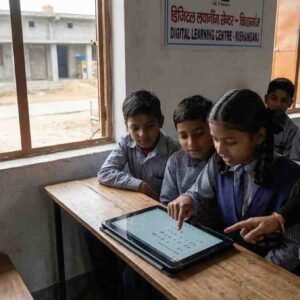
To make Sanskrit more accessible and appealing, technology could play a key role. Interactive apps, gamified learning platforms, and online courses can simplify the learning process and engage students in innovative ways. By presenting Sanskrit as a dynamic and living language, rather than a relic of the past, educators can inspire curiosity and interest.
The National Education Policy (NEP) 2020: A Balanced Perspective
The NEP 2020 has emphasized the importance of Indian languages, including Sanskrit, while advocating for a flexible and holistic education system. It suggests integrating Sanskrit into the curriculum as an option and encouraging schools to teach it alongside other classical and regional languages. This balanced approach aligns with the idea of fostering cultural pride without compromising linguistic diversity or student autonomy.
Conclusion: Preservation Without Imposition
The debate around compulsory Sanskrit education highlights the tension between preserving cultural heritage and meeting the practical needs of a modern, globalized world. While Sanskrit holds immense historical and cultural value, making it mandatory risks alienating students and diverting resources from more pressing educational priorities.
The solution lies in offering Sanskrit as an optional subject, supported by innovative teaching methods and accessible resources. This approach allows students to explore the language’s richness without feeling pressured, striking a balance between tradition and modernity. Education, after all, should empower students to make choices that reflect their interests, aspirations, and cultural contexts—not confine them to a one-size-fits-all framework.