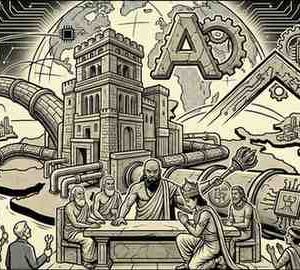




A Timeless Framework for Ethical Living
Dharma, often translated as righteousness or duty, is one of the central pillars of Hindu philosophy. Far from being a rigid code, it is a dynamic, contextual principle that helps individuals navigate the complexities of life while balancing personal desires with societal and universal harmony. Dharma is not just a concept; it is a lived practice that evolves with time, culture, and circumstances, making it an enduring guide for ethical decision-making.
In today’s fast-paced, morally ambiguous world, the relevance ofdharmaas a guiding principle has never been greater. It offers a framework for addressing life’s choices, fostering harmony within oneself, with others, and with the environment.
1. Understanding Dharma: A Multifaceted Concept
- Personal and Universal Duty: Dharma is deeply personal, varying based on an individual’s role, responsibilities, and stage in life (varna and ashrama). At the same time, it encompasses universal principles like truth, compassion, and justice.
- Dynamic and Contextual: Unlike rigid laws, dharma is fluid and adapts to the context. The Bhagavad Gitaillustrates this when Krishna advises Arjuna to fulfill his kshatriya (warrior) duty, even as he struggles with moral dilemmas.
2. Dharma in Daily Life
- Ethics and Relationships: Dharma guides interpersonal relationships, emphasizing values like honesty, respect, and responsibility. For instance, the principle of ahimsa (non-violence) encourages mindful communication and actions that minimize harm.
- Workplace Decisions: In professional settings, dharma manifests as integrity, fairness, and accountability. It encourages individuals to align their work with broader societal good rather than self-interest alone.
3. The Four Pillars of Dharma: Purusharthas
Dharma is one of the fourpurusharthas(goals of life), which include:
- Dharma: Righteous living.
- Artha: Material prosperity.
- Kama: Fulfillment of desires.
- Moksha: Liberation.
- Balancing Goals: Dharma serves as the foundation, ensuring that pursuits of wealth (artha) and pleasure (kama) are ethical and do not disrupt the harmony of life.
- Contemporary Relevance: In modern life, this balance can guide decisions, such as pursuing career growth without compromising personal values or neglecting familial responsibilities.
4. Dharma in Leadership and Governance
- Historical Roots: Ancient texts like the Arthashastra highlight how rulers were expected to uphold rajadharma(kingly duty), balancing personal ambition with the welfare of their subjects.
- Modern Leadership: The same principles apply today. Ethical governance, corporate social responsibility, and transparent leadership echo the dharmic ideals of accountability and selflessness.
5. Environmental Dharma
- Harmony with Nature: The Vedic understanding of dharma includes reverence for the environment. Practices like conservation, sustainable agriculture, and protection of natural resources reflect the principle of living in harmony with nature (rta).
- Contemporary Efforts: Movements like the Save Ganga Project embody environmental dharma, blending ancient values with modern ecological initiatives.
6. Challenges in Upholding Dharma
- Moral Ambiguity: In a world of conflicting priorities, understanding and practicing dharma can be challenging. For example, balancing professional ambition with family responsibilities often requires careful deliberation.
- Adapting to Change: Dharma evolves with societal norms, and individuals must interpret its principles in light of contemporary challenges, such as digital ethics and global sustainability.
7. Lessons from the Bhagavad Gita
- Timeless Teachings: The Bhagavad Gita offers practical wisdom on dharma. Krishna’s counsel to Arjuna highlights the importance of detachment, selflessness, and duty, encouraging individuals to act without being consumed by the results.
- Modern Application: These teachings inspire mindfulness in decision-making, fostering resilience and clarity in navigating life’s complexities.
Conclusion: Dharma as a Compass for Life
Dharma is not just an ancient ideal; it is a living philosophy that continues to guide individuals and societies through ethical challenges. By aligning personal actions with broader principles of harmony and justice, dharma fosters a life of purpose, integrity, and fulfillment.
In embracing dharma, we find not only a path to navigate life’s choices but also a framework for contributing to the greater good. As the world grows more interconnected and complex, the principles of dharma remain a timeless and universal compass, guiding humanity toward balance, unity, and progress.