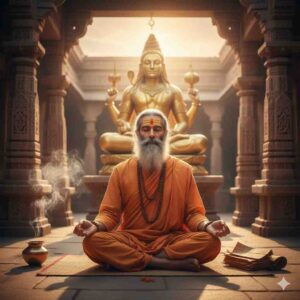




Timeless Wisdom for Eternal Truth
Sanatan Dharma, often translated as “the eternal way,” is rooted in the Vedas, the oldest and most revered texts of Hindu philosophy. Composed between 1500 and 500 BCE, the four Vedas—Rigveda,Yajurveda,Samaveda, andAtharvaveda—form the bedrock of Hindu spiritual, philosophical, and cultural traditions. They encompass hymns, rituals, and profound insights into the nature of existence, guiding humanity toward ethical living, spiritual growth, and cosmic harmony.
1. The Four Vedas and Their Teachings
Rigveda: The Knowledge of Hymns
- Content: The Rigveda is the oldest Veda, comprising 10,552 hymns dedicated to natural forces and deities like Agni (fire), Indra (rain and war), and Varuna (cosmic order).
- Key Teachings:
- Cosmic Order: Highlights the importance of rita (universal order), emphasizing harmony between humans, nature, and the divine.
- Unity in Diversity: Proclaims, “Ekam sat vipra bahudha vadanti” (Truth is one, but the wise call it by many names), celebrating inclusivity and pluralism.
Yajurveda: The Knowledge of Sacrifice
- Content: Focused on rituals and ceremonies, the Yajurveda provides instructions for performing yajnas(sacrifices) to sustain cosmic balance.
- Key Teachings:
- Selfless Action: Encourages offering and charity as a way to nurture the universe while purifying the self.
- Practical Ethics: Guides individuals on righteous living through discipline and devotion.
Samaveda: The Knowledge of Melodies
- Content: The Samaveda is a collection of hymns set to music, emphasizing the transformative power of sound and vibration.
- Key Teachings:
- Harmony Through Music: Demonstrates how sound connects the human spirit to the divine, fostering inner peace and universal connection.
- Devotional Practice: Highlights the role of devotion (bhakti) as a means to attain spiritual awakening.
Atharvaveda: The Knowledge of Everyday Life
- Content: The Atharvaveda deals with practical knowledge, including medicine, agriculture, and societal harmony.
- Key Teachings:
- Holistic Well-Being: Emphasizes physical, mental, and spiritual health as interdependent.
- Environmental Reverence: Treats the Earth as sacred, advocating sustainable practices.
2. Core Philosophical Insights from the Vedas
- The Unity of Existence: The Vedas assert that the self (atman) and the universal consciousness (brahman) are one, urging seekers to transcend ego and realize their divine essence.
- Mandukya Upanishad: Describes the self as eternal and infinite, beyond birth and death.
- The Pursuit of Knowledge: Knowledge (vidya) is considered the highest virtue, empowering individuals to overcome ignorance and align with universal truth.
3. The Relevance of Vedic Teachings Today
- Ethics and Sustainability: Concepts like rita and ahimsa (non-violence) guide modern movements for social and environmental justice.
- Example: Initiatives like Namami Gange reflect the Vedic reverence for rivers as lifelines of existence.
- Mindfulness and Meditation: Vedic practices such as chanting Om and meditation are now globally recognized for their mental health benefits, with scientific studies validating their impact on stress reduction and focus.
4. Bridging Ancient Wisdom with Modern Life
- Adaptability of Rituals: Vedic rituals, once tied to agrarian societies, have evolved to address contemporary concerns like urban living and digital distractions.
- Spiritual Inclusivity: The Vedas encourage seekers of all backgrounds to explore their teachings, highlighting their universal applicability.
Conclusion: Eternal Wisdom for a Changing World
The Vedas, as the essence of Sanatan Dharma, offer a roadmap to ethical living, spiritual growth, and universal harmony. Their teachings transcend time, addressing the perennial quest for meaning and balance in life.
In a world increasingly disconnected from its spiritual roots, the Vedas serve as a timeless reminder of humanity’s place within the cosmos. By embracing their wisdom, we can navigate modern challenges with clarity, compassion, and a deeper sense of purpose.