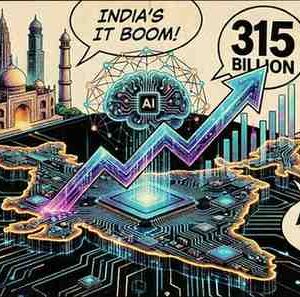




Revolutionizing Content Marketing: AI as the Ultimate Game-Changer
Essential Insights:
- Artificial Intelligence (AI) is redefining content marketing by streamlining processes, enhancing creativity, and personalizing audience engagement at scale.
- AI-powered tools are helping marketers analyze vast datasets, predict trends, and automate content creation, making campaigns more targeted and effective.
- With its potential to boost ROI, AI is becoming a must-have for businesses seeking a competitive edge in digital marketing.
Statistical Highlights:
- According to a 2023 report by Gartner, AI-powered content marketing tools have increased campaign efficiency by 40%, reducing production costs by 25%.
- A survey by HubSpot reveals that 68% of marketers using AI tools reported improved content performance metrics, including a 30% increase in engagement rates.
- AI-driven personalization can lead to a 20% increase in conversions, as highlighted in a McKinsey study on digital marketing trends.
In-Depth Analysis:
1. Automating Content Creation:
- AI tools like Jasper, Copy.ai, and Writesonic can generate blog posts, social media captions, and email campaigns in minutes, saving valuable time for marketers.
- Statista reports that 45% of content marketers used AI-generated text in 2023, up from 30% in 2021, signaling a growing reliance on AI for scalable content production.
2. Enhancing Audience Insights:
- AI-powered analytics tools like Google Analytics 4 and Sprinklr analyze user behavior, demographics, and preferences to craft hyper-targeted campaigns.
- According to Adobe Digital Insights, marketers using AI for audience segmentation achieved a 50% improvement in targeting accuracy.
3. Predicting Content Trends:
- Predictive AI tools, such as BuzzSumo and MarketMuse, analyze market trends and competitors to suggest high-performing content topics.
- A Content Marketing Institute study found that predictive analytics increased marketers’ ability to identify trending topics by 60%, ensuring campaigns stay relevant.
4. Personalizing User Experience:
- AI algorithms tailor content recommendations for individual users, boosting engagement. Platforms like Netflix and Amazon leverage AI to personalize content, with Netflix attributing 80% of its streaming activity to AI-driven recommendations.
- For marketers, AI-driven personalization tools like HubSpot and Marketo enhance customer journeys, leading to a 35% higher click-through rate.
5. Optimizing SEO Strategies:
- AI tools like SEMrush and Surfer SEO analyze search engine trends, identify keywords, and suggest content structures optimized for higher rankings.
- Research shows that AI-optimized content is 25% more likely to appear on the first page of search engine results compared to manually optimized content (BrightEdge, 2023).
6. Real-Time Performance Monitoring:
- AI-powered platforms like Hootsuite and Buffer offer real-time analytics and content performance tracking, enabling marketers to make quick adjustments to campaigns.
- A HubSpot survey found that marketers using AI for performance monitoring reduced campaign downtime by 30%.
The Controversy: Balancing Automation and Creativity
- While AI excels in automating repetitive tasks and analyzing data, critics argue that over-reliance on AI risks stifling creativity. A LinkedIn survey revealed that 32% of marketers felt AI-generated content lacked emotional depth and originality, raising concerns about authenticity.
Expert Opinions:Digital marketing strategist Anita Desai comments, “AI is a powerful tool for content marketers, but it should be used to augment human creativity, not replace it. The best strategies combine AI-driven insights with authentic storytelling.”
Global Comparisons:In the U.S. and Europe, AI is heavily used for predictive analytics and automation in large-scale campaigns. Meanwhile, in emerging markets like India, AI tools are being leveraged to overcome language barriers and create multilingual content tailored to diverse audiences.
Forward Outlook:The future of AI in content marketing includes advancements in generative AI, real-time sentiment analysis, and immersive content creation through augmented reality (AR) and virtual reality (VR). These innovations will further empower marketers to craft deeply personalized and engaging campaigns.
Reflective Thought:AI is not just a tool; it’s a catalyst for innovation in content marketing. By combining the precision of AI with the creativity of human marketers, businesses can craft strategies that not only captivate audiences but also drive measurable results in an increasingly competitive digital landscape.