

Los Angeles – 2025
A trip to the movies used to be about storytelling. Today, it’s often a stop on amulti-platform ecosystem of brands, rides, merchandise, video games, and spin-offs. Whether it’sAvengers Campus,Super Nintendo World, or the soon-to-beHogwarts Legacyseries on Max, one thing is clear: Hollywood’s most valuable productisn’t a film—it’s an experience.
The movie is now just thefirst step in the monetization cycleof Intellectual Property (IP). And in this new model, art, commerce, and audience attention have been rewired.
How We Got Here
1. The Marvel Blueprint
Starting withIron Man(2008), Disney-Marvel redefined success: not just ticket sales, but toys, spin-offs, sequels, streaming series, and global synergy. The film was no longer a standalone—it was anode in a franchise web.
2. Risk Aversion Meets Brand Strategy
Original stories carry risk. IP-backed films come with:
- Built-in audience data
- Multi-year merchandising deals
- Pre-written brand extensions
This shifted executive thinking from, “What story are we telling?” to “What can we franchise?”
3. Theme Parks as Story Platforms
Disney, Universal, and even Netflix (with immersive experiences) now use physical spaces toextend cinematic worlds into lifestyle destinations. These generate consistent, high-margin revenue far beyond the box office.
What the IP Machine Looks Like Now
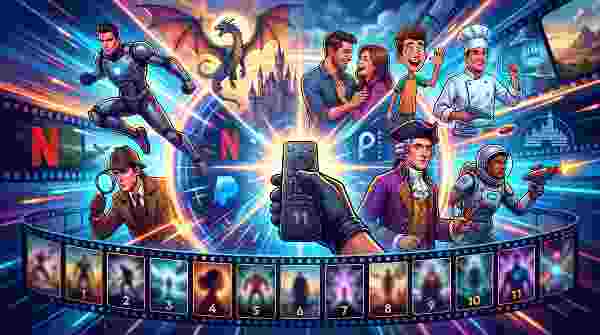
- Film: A spectacle meant to establish the universe
- Streaming Series: Fill narrative gaps, deepen lore
- Merchandise: From Funko Pops to fashion capsules
- Theme Parks: Experiences tied to emotional nostalgia
- Mobile Games / VR: Keeps users inside the world 24/7
- YouTube Content / TikTok Filters: Builds cultural currency and free marketing
FromBarbietoAvatar,The Last of UstoStar Wars: Galaxy’s Edge—this model creates not just fans, butconsumers of an entire fictional economy.
The Creative Trade-Off
What we gain:
- Expansive world-building
- Cross-platform storytelling
- Deep fan engagement
- Global merchandising power
What we risk losing:
- Narrative finality (nothing ends, it just spins off)
- Risky storytelling (fewer new ideas, more safe bets)
- Mid-budget originality (pushed off-screen or to niche streamers)
- Directorial authorship (IP often overrides creative vision)
Audiences Are Responding—But Not Blindly
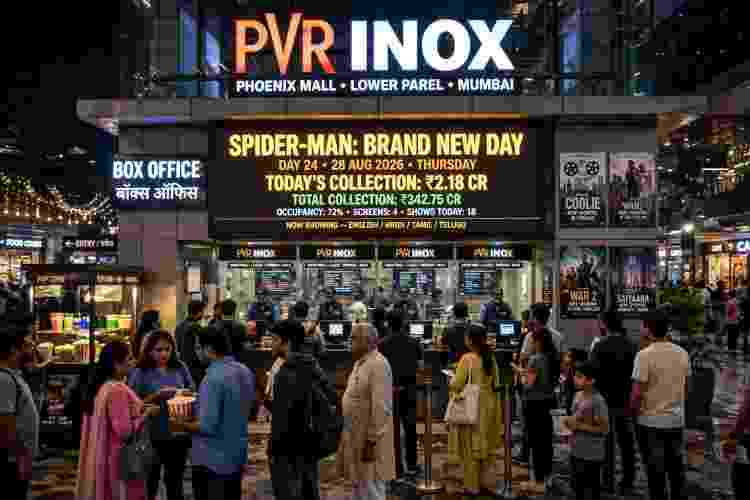
Yes,Spider-Man: No Way Homegrossed nearly $2B. But:
- Films like The Marvels, Shazam! Fury of the Gods, and Fantastic Beasts 3 underperformed—proof that not all IP is bulletproof
- Viewers show signs of fatigue: lower opening weekends, weaker fan buzz, and sharper drop-offs after release
- Meanwhile, films like Everything Everywhere All at Once and Barbenheimer offered proof that originality still sells—when paired with ambition and risk
What’s the Way Forward?
- IP with vision, not just volume
(The Batman offered auteur sensibility within IP) - Support for IP-adjacent originals
(Free Guy, The Menu)—original ideas rooted in genre familiarity - Narrative closure within franchises
Let characters evolve or retire, not just respawn - Non-IP prestige lanes must be protected
For awards, discovery, and long-tail value
Final Word
Hollywood isn’t abandoning story—it’s commercializing it at scale.
But when every film becomes a product launch and every character a brand asset, the soul of cinema risks dilution.
Because the audience doesn’t just want a “world to live in”—
They still cravea story worth being changed by.